The Blue Zone Diet Secrets You Can Copy in Your Own Kitchen
What if living a longer, healthier life didn’t require expensive supplements, trendy superfoods, or complicated meal plans?
Across the globe, there are a handful of regions known as Blue Zones—places where people are far more likely to live into their 90s and even past 100 while remaining active and independent. Researchers have spent years studying these communities to understand what sets them apart.
While genetics certainly play a role, one thing consistently stands out: the way they eat.
The good news? You don’t need to move to a remote Greek island or a mountain village in Japan to borrow some of their healthiest habits. Many of the foods and cooking techniques found in Blue Zone kitchens are surprisingly simple, affordable, and easy to incorporate into everyday life.
Here are the Blue Zone diet secrets you can start using in your own kitchen today.
What Is the Blue Zone Diet?
The term Blue Zones refers to regions around the world where people consistently enjoy exceptional longevity. These areas include Okinawa in Japan, Sardinia in Italy, Ikaria in Greece, Nicoya in Costa Rica, and Loma Linda in California.
Although each culture has its own traditions, researchers found several common eating patterns among these long-lived populations:
- Meals are centered around plants.
- Beans and legumes are eaten regularly.
- Whole grains are preferred over refined grains.
- Meat is consumed sparingly.
- Processed foods are kept to a minimum.
- People usually stop eating before they’re completely full.
Rather than following strict rules, Blue Zone eating is about building sustainable habits that can last a lifetime.
1. Let Plants Take Center Stage

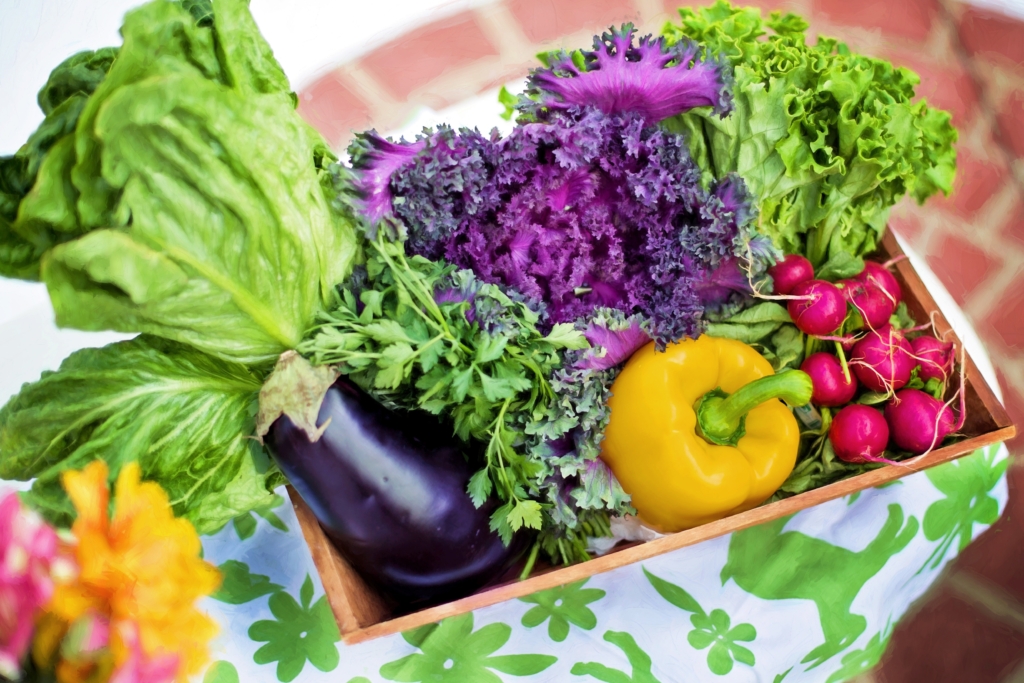
One of the biggest differences between Blue Zone kitchens and many modern diets is that vegetables aren’t treated as a side dish—they’re the main event.
Most meals are built around colorful vegetables, leafy greens, beans, herbs, and whole grains.
Try filling at least half your plate with vegetables at lunch and dinner. Fresh, frozen, and even seasonal local produce all work well.
Simple roasted vegetables, stir-fries, hearty soups, and fresh salads are staples in many Blue Zone households.
2. Beans Are the Real Superfood

Forget expensive powders and trendy health drinks.
If there’s one food that appears again and again across Blue Zones, it’s beans.
Black beans, lentils, chickpeas, kidney beans, cannellini beans, and soybeans are all rich in protein, fiber, vitamins, and minerals.
They’re inexpensive, filling, and incredibly versatile.
Easy ways to eat more beans include:
- adding chickpeas to salads
- making lentil soup
- cooking rajma or black beans
- tossing beans into pasta dishes
- blending hummus for snacks
Many longevity researchers consider beans one of the healthiest foods you can eat.
3. Cook More Meals at Home
Blue Zone residents don’t rely heavily on takeaway meals or highly processed convenience foods.
Most meals are prepared at home using simple ingredients.
Cooking doesn’t have to be complicated.
Even basic meals like vegetable soup, dal with brown rice, roasted vegetables, or grilled fish with salad can provide excellent nutrition.
Preparing your own meals also gives you complete control over ingredients, portion sizes, and cooking methods.
4. Eat Whole Grains Instead of Refined Carbs
Highly refined white bread, pastries, sugary cereals, and processed snacks aren’t common in Blue Zone communities.
Instead, whole grains provide lasting energy and extra fiber.
Examples include:
- oats
- brown rice
- barley
- quinoa
- whole wheat bread
- millet
- buckwheat
These foods digest more slowly and help keep you feeling full for longer.
5. Nuts Make the Perfect Snack
Many Blue Zone residents enjoy a handful of nuts almost every day.
Walnuts, almonds, pistachios, peanuts, and hazelnuts provide healthy fats, protein, and important nutrients.
Instead of reaching for chips or cookies during the afternoon, try replacing them with a small handful of unsalted nuts.
A little goes a long way.
6. Don’t Fear Healthy Fats
Not all fats are created equal.
Blue Zone diets often include healthy sources of fat like:
- extra virgin olive oil
- avocados
- nuts
- seeds
Olive oil, in particular, plays a major role in Mediterranean Blue Zone regions like Ikaria and Sardinia.
Use it for salad dressings, roasted vegetables, and light cooking instead of relying heavily on butter or heavily processed oils.
7. Treat Meat as a Side Dish
Contrary to popular belief, Blue Zone residents aren’t necessarily vegetarian.
Many do eat meat—but much less frequently than the average Western diet.
Instead of making steak or chicken the focus of every meal, meat is often used in smaller portions to add flavor.
You can easily follow this approach by:
- adding small amounts of chicken to vegetable stir-fries
- using fish once or twice a week
- including meat in soups instead of serving large portions
Beans often replace meat altogether.
8. Eat Until You’re About 80% Full
One of the most fascinating Blue Zone habits comes from Okinawa, where many people follow the principle of “Hara Hachi Bu,” which means eating until you’re roughly 80% full.
Instead of cleaning every plate, they stop before feeling stuffed.
This simple habit naturally reduces calorie intake while still allowing people to enjoy satisfying meals.
Eating more slowly also gives your brain time to recognize when you’re comfortably full.
9. Drink More Water
Sugary drinks aren’t a daily staple in Blue Zone communities.
Instead, people primarily drink:
- water
- herbal teas
- coffee (in moderation)
- occasional wine in some regions
Replacing sugary sodas and sweetened beverages with water is one of the easiest dietary improvements most people can make.
Keeping a reusable water bottle nearby throughout the day makes hydration much easier.
10. Enjoy Fruit as Dessert

Desserts don’t have to disappear completely.
In many Blue Zone regions, fresh seasonal fruit naturally replaces cakes, pastries, and sugary treats on most days.
Berries, oranges, apples, pears, peaches, and grapes all satisfy a sweet tooth while providing fiber and nutrients.
Think of rich desserts as occasional celebrations rather than everyday habits.
11. Keep Processed Foods to a Minimum
One thing almost every Blue Zone kitchen has in common is what isn’t there.
Highly processed foods packed with added sugar, salt, and artificial ingredients are relatively uncommon.
Instead, meals revolve around ingredients that look much like they did when they came from nature.
Before buying packaged foods, glance at the ingredient list. If it’s full of items you don’t recognize or can barely pronounce, it may be worth looking for a simpler alternative.
12. Eat With Family and Friends

While this isn’t technically a food choice, it may be one of the most overlooked longevity habits.
Many Blue Zone communities treat meals as social occasions.
Eating together encourages slower eating, meaningful conversations, and a stronger sense of connection—all of which are associated with better overall well-being.
Even one shared family meal a day can help make healthy eating feel more enjoyable and sustainable.
Stock Your Kitchen the Blue Zone Way
Want to make healthy choices easier? Start by filling your pantry with simple staples.
Some great options include:
- lentils
- chickpeas
- black beans
- oats
- brown rice
- quinoa
- olive oil
- garlic
- onions
- leafy greens
- tomatoes
- sweet potatoes
- fresh herbs
- seasonal fruit
- plain yogurt
- nuts and seeds
When healthy ingredients are always within reach, preparing nutritious meals becomes much easier.
A Sample Blue Zone Day of Eating
Here’s what a day inspired by Blue Zone eating might look like:
Breakfast
Oatmeal topped with berries, walnuts, and a sprinkle of cinnamon.
Mid-Morning Snack
An apple with a handful of almonds.
Lunch
Lentil soup with whole-grain bread and a mixed green salad dressed with olive oil and lemon.
Afternoon Snack
Carrot sticks with hummus.
Dinner
Grilled vegetables, brown rice, chickpea curry, and a side salad.
Dessert
Fresh fruit.
Simple, satisfying, and packed with nutrients.
Common Myths About the Blue Zone Diet
Myth: You need expensive superfoods.
Not at all. Most Blue Zone staples—beans, vegetables, whole grains, and fruit—are among the most affordable foods available.
Myth: You have to become vegetarian.
Many Blue Zone communities include small amounts of fish, dairy, or meat. The emphasis is on moderation rather than elimination.
Myth: It’s only about food.
Diet is just one piece of the puzzle. Regular movement, strong social relationships, good sleep, and a sense of purpose are also common characteristics of Blue Zone communities.
Final Thoughts
The beauty of the Blue Zone diet is its simplicity.
There are no complicated rules, expensive meal plans, or miracle ingredients. Instead, it encourages everyday habits that are easy to maintain over the long term: eating more vegetables, enjoying beans regularly, cooking at home, choosing whole foods, and slowing down at mealtimes.
You don’t need to copy every tradition from the world’s longest-living communities overnight. Start with one or two small changes—swap refined grains for whole grains, add beans to a few meals each week, or replace sugary snacks with fruit and nuts.
Over time, those small choices can add up to healthier eating habits that are easier to stick with, helping you build a kitchen that’s inspired by some of the healthiest communities on Earth.

Jo has been putting pen to paper from an early age when she started her “Dear Diary” and letters to her pen friends across the globe.
This alongside regular visits to Indian jungles in search of the Royal Bengal Tiger, fueled her zest for adventure, nature and wildlife.
Now she is a renowned travel blogger, outreach expert and has worked with over 500 travel brands in the last 15 years.