50 Surprising Facts About France – Some Sound Made Up, but They’re All True
This post may contain affiliate links. If you click on one and make a purchase, I might earn a small commission (at zero extra cost to you), which helps me keep this blog running.
Paris is usually the first image people have of France. I understand why: I loved Paris, and I plan to go back, because there are places I would happily see again and others I still want to visit properly.
But France is not only Paris, the Eiffel Tower, croissants, wine, and fashion. The country has royal palaces, Roman ruins, Atlantic beaches, Alpine peaks, Mediterranean towns, tidal islands, overseas territories, old food traditions, protected wines, regional identities, and everyday customs that are easy to miss on a first trip.
Here are 50 interesting facts about France, from famous places to lesser-known details that show how varied the country really is. And if you like to learn more, check out these French proverbs and sayings and see also this France vs. Italy trivia article.
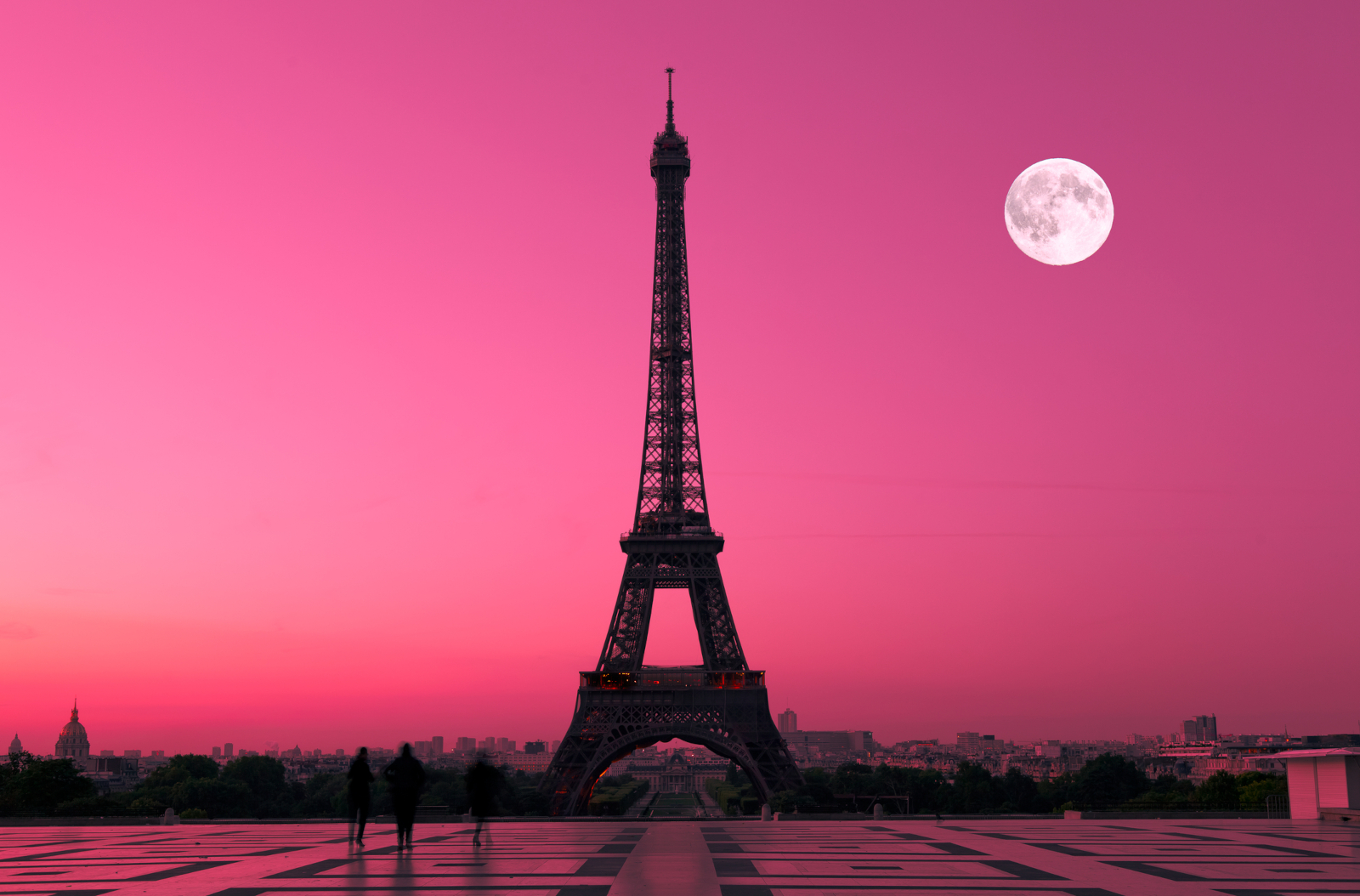
ID 17326104 @ Europhotos | Dreamstime.com
Famous France facts
Of course an article with facts about France will start with Paris, the Eiffel Tower, the Louvre, and Versailles. These famous places have details that make them more interesting, especially if you plan to visit France for the first time.
1. France welcomed 102 million international visitors in 2025
France remains the world’s leading destination by international arrivals. In 2025, the country welcomed 102 million international visitors, according to Atout France.
Paris attracts a huge share of attention, but the figure also includes travelers going to the French Riviera, Normandy, Provence, the Loire Valley, the Alps, Bordeaux, Champagne, Alsace, ski resorts, beaches, villages, gardens, castles, museums, and wine regions. If you are planning a broader itinerary, this list of places to visit in France shows how much there is outside the capital.
2. The Eiffel Tower was built for the 1889 World’s Fair
The Eiffel Tower was built for the 1889 Exposition Universelle in Paris. Construction started in 1887 and the tower was completed in 1889, according to the official Eiffel Tower website.
It was a modern iron structure built for a major international exhibition, and not everyone liked it when it was new. Today, it is the symbol most people immediately associate with France.
I think going up the Eiffel Tower is an unmissable activity in Paris. There can be a queue, but the view from the top is worth it. From there, you see the Seine, the rooftops, the avenues, and the monuments together, not as separate stops on a map.
3. The Eiffel Tower changes slightly with temperature
The Eiffel Tower is made of iron, and iron reacts to heat. The official Eiffel Tower site explains that thermal expansion can make the structure a few millimeters taller, and the sun can also make the tower lean slightly away from the heated side.
That is the accurate version. The fixed “15 cm every summer” claim repeated online is not the official wording.
4. The Mona Lisa was bought by King François I
The Mona Lisa is often surrounded by myths, but its arrival in France is clearly explained by the Louvre. King François I bought the painting from Leonardo da Vinci in 1518.
The painting was stolen from the Louvre in 1911 and recovered later, but its original arrival in France was a royal purchase, not a Napoleonic theft.
5. The Louvre started as a fortress
The Louvre is now one of the most famous museums in the world, but it was originally built as a medieval fortress in the late 12th century. It later became a royal palace before becoming a public museum.
The Mona Lisa gets the largest crowds, but the Louvre is much more than one painting. It has Egyptian antiquities, Greek and Roman art, sculptures, Islamic art, royal interiors, decorative arts, and European paintings from many periods. If museums are a priority, this guide to the best museums in Paris can help you choose what to see first.
6. Versailles has 2,300 rooms
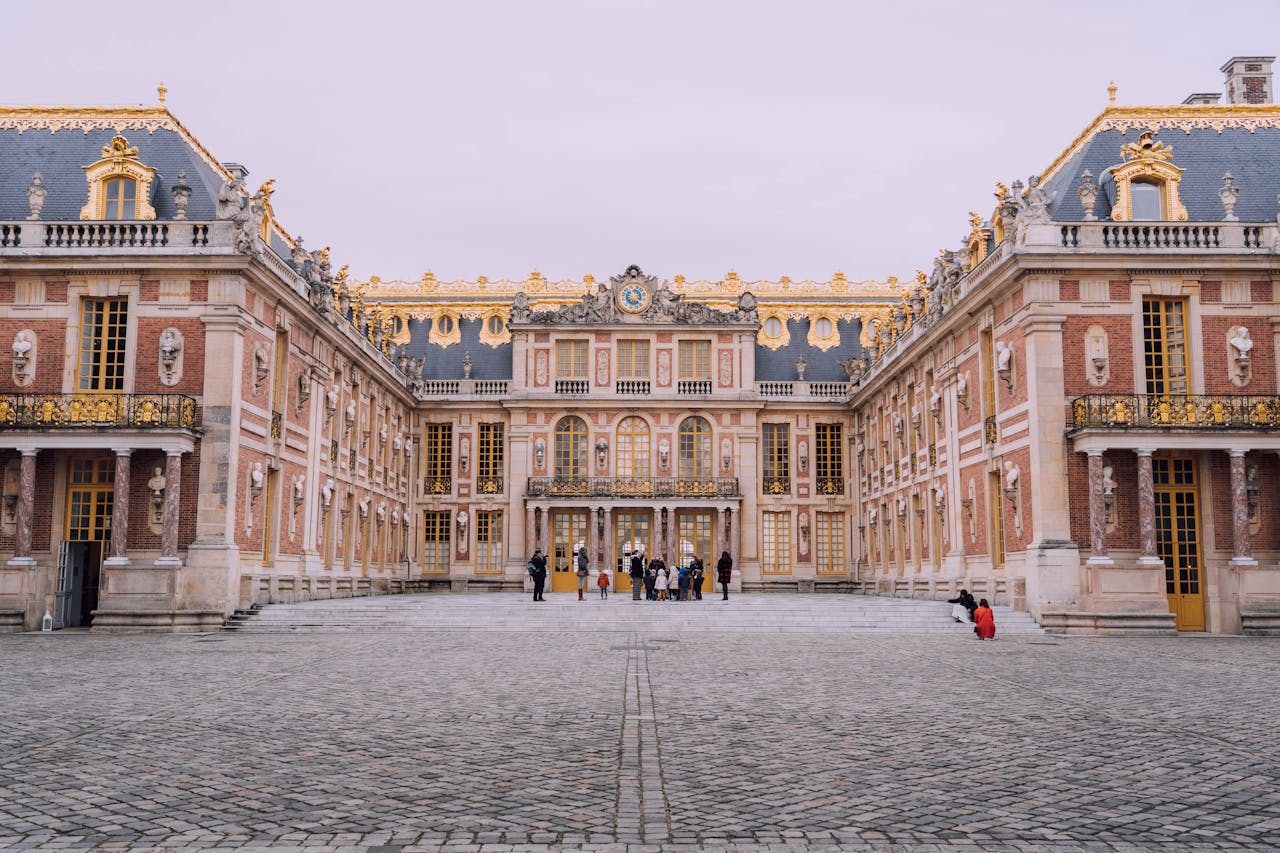
Versailles has 2,300 rooms and was the seat of French royal power before the Revolution. It was a palace, a court, a political stage, and a place designed to impress.
I wanted to visit Versailles Palace ever since I was a little girl and saw a documentary on TV. I remember being mesmerised by the Hall of Mirrors, and seeing it in person was a memorable experience.
7. Notre-Dame de Paris reopened in December 2024
Notre-Dame de Paris reopened its doors during ceremonies on December 7 and 8, 2024, after five years of restoration work following the 2019 fire, according to the official Notre-Dame website.
Construction of the cathedral began in the 12th century, and its history includes medieval architecture, religious life, revolution, restoration, fire, and rebuilding. It is one of the strongest examples of how old and current France can meet in the same place.
8. The Banks of the Seine are Paris’s UNESCO World Heritage area
Paris has many famous monuments, but the UNESCO World Heritage listing is specifically connected to the Banks of the Seine. The river landscape links the Louvre, Île de la Cité, Notre-Dame, bridges, monuments, and many of the views people remember from Paris.
That is one reason walking along the river can feel more meaningful than rushing from one attraction to another. The Banks of the Seine show how much of Paris’s history sits close to the water.
Geography and nature facts about France beyond Paris
Some of the most unusual facts about France come from its geography. Mainland France is only one part of the country; French territory also reaches South America, the Caribbean, the Indian Ocean, and the Pacific.
9. France is the largest country in the European Union by area
France is the largest country in the European Union by area, according to the European Union.
That size helps explain the variety inside mainland France: Atlantic beaches, Mediterranean coastline, the Alps, the Pyrenees, river valleys, forests, farmland, large cities, small villages, and wine regions.
10. Mainland France is called L’Hexagone
Mainland France is often nicknamed L’Hexagone because its shape roughly resembles a six-sided figure.
The nickname usually refers to European France. It does not include the overseas territories, which are part of the French Republic but sit far beyond the European map.
11. France has 12 time zones
France has 12 standard time zones when its overseas territories are included, according to Timeanddate.
The reason is France’s overseas territories. French territory reaches the Caribbean, South America, the Indian Ocean, the Pacific, and other parts of the world.
12. Part of France is in South America
French Guiana is an overseas department and region of France, located on the northern coast of South America. INSEE lists French Guiana together with Guadeloupe, Martinique, Réunion, and Mayotte as overseas departments and regions.
For many people, this is one of the most surprising facts about France. The same French Republic that includes Paris and Provence also includes territory on the South American continent.
13. Europe’s Spaceport is on French territory
The Guiana Space Centre is located near Kourou in French Guiana. The European Space Agency explains that Kourou’s position near the equator makes it well placed for launches into geostationary transfer orbit.
It is an unexpected modern France fact: European space launches are connected to French territory in South America.
14. France touches the Atlantic, the Mediterranean, and the English Channel
Mainland France has coastlines on the Atlantic Ocean, the Mediterranean Sea, and the English Channel. The coastline changes the food, weather, architecture, and travel experience from one region to another.
Brittany, Normandy, the Basque coast, the Riviera, and the Mediterranean south do not feel like the same version of coastal France.
15. Mont Blanc is the highest mountain in the Alps
Mont Blanc rises to around 4,808 meters and is the highest mountain in the Alps. It sits in the France-Italy border area and is strongly associated with Chamonix, mountaineering, skiing, and Alpine scenery.
It is a useful reminder that France is not only a country of cities, museums, palaces, and food. It also has some of Europe’s most famous mountain landscapes.
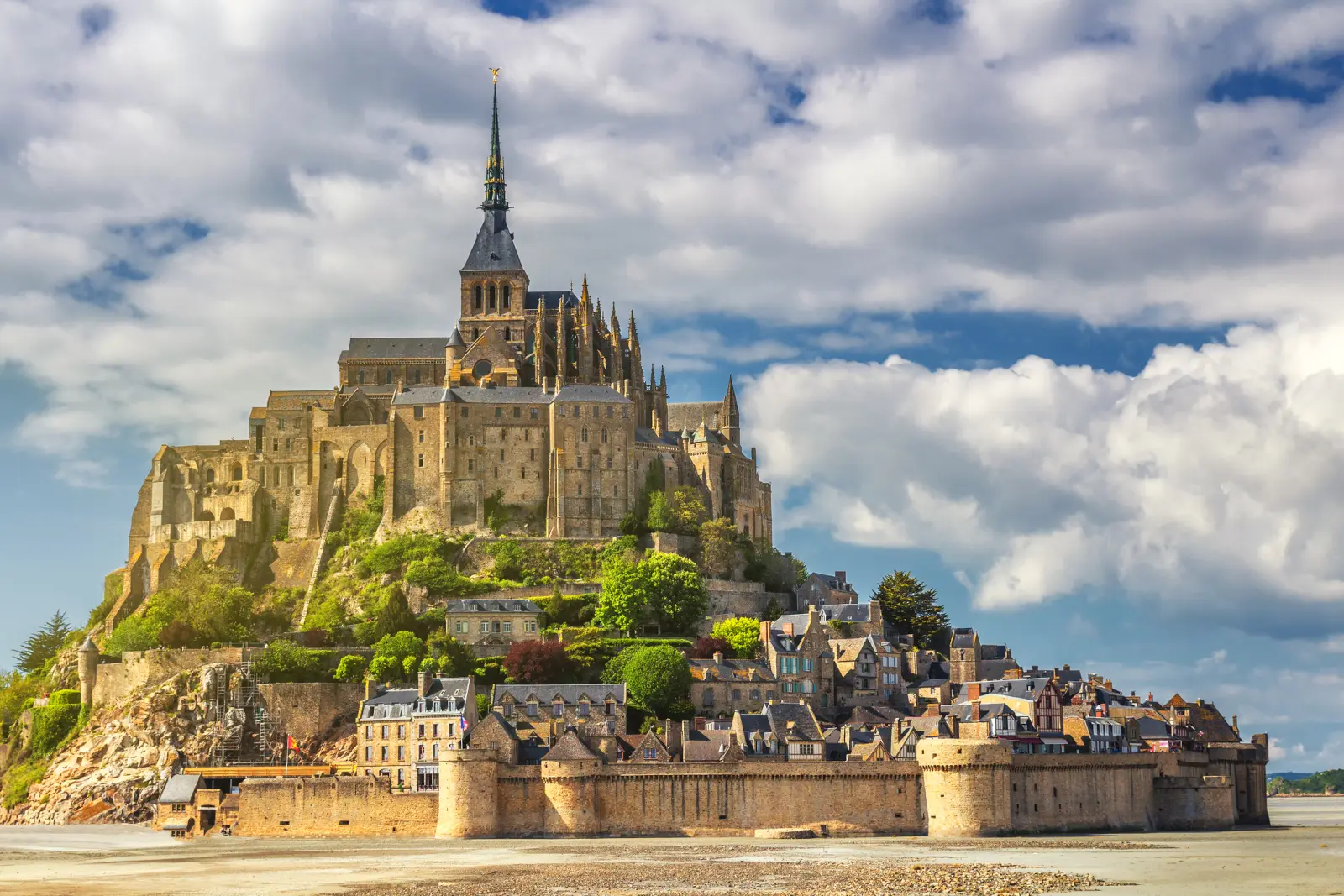
16. Mont-Saint-Michel has the highest tides in continental Europe
ID 100951409 @ Daliu80 | Dreamstime.com
Mont-Saint-Michel sits in a bay in Normandy with the highest tides in continental Europe. The official tourist office says the difference between low and high tide can reach up to 15 meters.
During major high tides, the water surrounds the mount again, and the abbey looks separated from the mainland. It is one of the most striking places in France because the landscape itself changes around the monument.
17. The Millau Viaduct is taller than the Eiffel Tower
The Millau Viaduct crosses the Tarn valley in southern France and reaches 343 meters at its highest point. That makes it taller than the Eiffel Tower.
It is one of France’s most impressive modern engineering landmarks and a strong example of how the country’s famous structures are not all in Paris.
18. The Camargue is known for flamingos and white horses
The Camargue, in southern France near the Rhône delta, is known for wetlands, pink flamingos, black bulls, and white Camargue horses.
It is a very different image of France from Paris, Versailles, the Alps, or the Riviera. The landscape is flat, watery, open, and closely tied to local traditions.
19. Corsica is French, but it has a strong island identity
Corsica belongs to France, but it has its own island character, landscapes, traditions, and language heritage. It sits in the Mediterranean and feels distinct from mainland regions.
A trip to Corsica is not just a beach version of France. It has mountains, coastal towns, villages, strong local identity, and a history shaped by its position between France and Italy.
20. Réunion is part of France in the Indian Ocean
Réunion is a French overseas department and region in the Indian Ocean. It has volcanic landscapes, tropical scenery, Creole culture, and a location far from mainland Europe.
Food and drink facts about France
Food is one of the most popular topics in lists of fun facts about France and these French food facts become more interesting because they explain regional differences, protected names, old traditions, and everyday habits.
21. The gastronomic meal of the French is recognized by UNESCO
UNESCO recognized the gastronomic meal of the French as intangible cultural heritage in 2010.
The recognition is not for one dish. It is about the social practice of the meal: choosing good products, pairing food and wine, setting the table, sharing courses, and celebrating important moments together.
22. The baguette has UNESCO intangible heritage status
The artisanal know-how and culture of baguette bread was added to UNESCO’s intangible cultural heritage list in 2022.
The recognition is about the skill and culture connected to baguette-making, not about one bakery or one single recipe.
23. The baguette de tradition française is regulated
The baguette de tradition française is not just a marketing phrase. France’s 1993 bread decree set rules for traditional French bread, including ingredients and production requirements. The Library of Congress explains that the decree clarified what could be used in traditional French bread and restricted pre-made dough for certain traditional baguettes.
That is why bread in France can be both everyday food and a protected craft.
24. France has more than 400 varieties of cheese
France.fr gives the safe figure of more than 400 varieties of cheese in France. You may see higher numbers online, but they depend on how local versions and sub-varieties are counted.
More than 400 is already impressive, wouldn’t you say?
25. Champagne can only come from Champagne
Champagne is not a general name for sparkling wine. The Champagne designation is tied to the Champagne region and to specific production rules. The official Champagne site explains the history and protection of the Champagne controlled designation of origin.
Other sparkling wines from France can be excellent, but they are not Champagne.
26. The croissant has Austrian roots
The croissant is strongly linked with France today, but its older ancestor is usually traced to the Austrian kipferl.
The modern French croissant became famous through French baking technique, laminated dough, butter, and bakery culture. It is a French icon now, even if the story started elsewhere.
27. Lyon is one of France’s great food cities
Paris has famous restaurants, but Lyon has a food reputation of its own. The city is known for bouchons, traditional dishes, markets, chefs, and a strong local dining culture.
If someone wants to understand French food beyond the capital, Lyon should be on their list. My husband was there several times, and he confirms it: it is a great place to visit, and the food is amazing!
28. French food changes by region
French food is not one single cuisine. Normandy is linked with apples, cider, butter, cream, and Camembert. Provence brings olive oil, herbs, vegetables, and Mediterranean flavors. Alsace has French and Germanic influences. Brittany is known for crêpes, galettes, seafood, and salted butter.
Looking for regional food is one of the easiest ways to make a France trip more interesting.
29. French markets show local life quickly
Markets in France are not only places to buy food. They show what is local, seasonal, and normal in that region.
A market in Provence will not look exactly like one in Brittany, Normandy, Alsace, or the Basque Country. Cheese, seafood, herbs, fruit, bread, flowers, and prepared foods can tell you where you are before you visit a museum.
30. France has laws against supermarket food waste
France became known internationally for anti-food-waste measures affecting supermarkets. In 2016, France adopted a law that banned supermarkets from destroying unsold edible food and pushed donations to charities, according to Zero Waste Europe.
The rules have developed further since then, but the 2016 law remains one of the best-known examples of France treating food waste as a public issue.
History and invention facts about France
Historical facts about France are not only about kings and battles. They also explain monuments, political symbols, old cities, inventions, and places that still shape travel today.
31. France was once part of Roman Gaul
Before modern France existed, much of the territory was part of Roman Gaul. Roman remains can still be seen in places such as Nîmes, Arles, Orange, Lyon, and other cities.
This adds another layer to France beyond medieval castles and royal palaces. In several regions, Roman history is still visible in stone.
32. The French Revolution changed more than France
The French Revolution began in 1789 and changed the country’s political system. Its influence spread far beyond France through ideas about citizenship, rights, republics, constitutions, and the relationship between rulers and citizens.
Modern French symbols such as the Tricolore, the national motto, and Bastille Day all connect to this revolutionary history.
33. France is now in its Fifth Republic
The current French political system is the Fifth Republic, established in 1958 under Charles de Gaulle.
France moved through monarchy, empire, restoration, and several republics. That makes the phrase “French Republic” much richer than it first sounds.
34. Marseille is France’s oldest city
Marseille is widely described as the oldest city in France. The official Marseille tourism site says the city was founded 2,600 years ago.
Its identity is Mediterranean, port-based, layered, and very different from Paris. Marseille is one of the best reminders that French urban history did not start in the capital.
35. The metric system was developed in France
The metric system was developed in France during the French Revolution as a decimal-based alternative to older regional measurement systems.
It later became the standard in most of the world. France’s revolutionary period changed not only politics, but also the way people measure distance, weight, and volume.
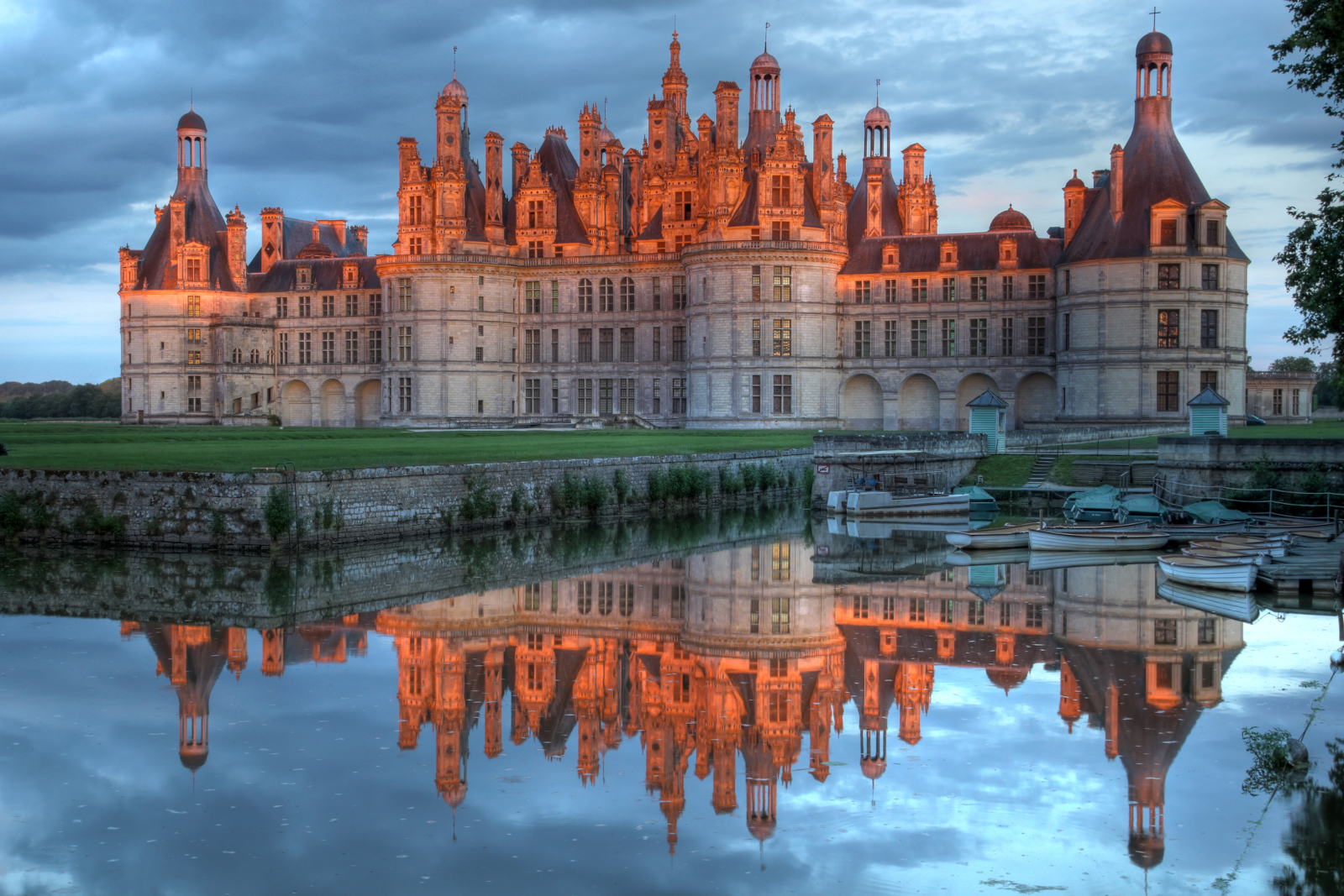
36. The Loire Valley is famous for châteaux
ID 15413095 @ Bogdan Lazar | Dreamstime.com
The Loire Valley is known for its châteaux, but they were not only beautiful residences. Many were built or transformed to show wealth, power, taste, and Renaissance influence.
Chambord, Chenonceau, Amboise, and other Loire Valley castles are part of a wider landscape of river towns, gardens, vineyards, and court history.
37. The D-Day beaches are in Normandy
The D-Day landings took place on the beaches of Normandy on June 6, 1944. For many visitors from the United States, Canada, and the United Kingdom, Normandy is one of the most meaningful historical regions in France.
The beaches, cemeteries, memorials, and museums connect the region to World War II history in a direct way.
38. The earliest surviving camera photograph was made in France
Joseph Nicéphore Niépce made the earliest surviving photograph produced in a camera obscura in 1827. The image is known as View from the Window at Le Gras, and the Harry Ransom Center identifies it as the earliest surviving photograph produced in the camera obscura.
It was made in Burgundy, not Paris. That makes it a strong fact for anyone interested in invention, art, and the beginning of photography.
39. Louis XIX ruled for about 20 minutes
Louis XIX is remembered for one of the shortest reigns in history. In 1830, after Charles X abdicated, Louis-Antoine briefly became king before abdicating himself in favor of his nephew.
It is a short fact, but it says a lot about how unstable French politics could be during the 19th century.
40. The Tour de France began in 1903
The Tour de France began in 1903 as a way to promote the newspaper L’Auto. It became the most famous cycling race in the world.
Today, it is also one of the best-known ways people see French landscapes on television: mountain roads, villages, vineyards, coastlines, and the final ride into Paris.
French culture facts and everyday customs
I discovered that a few of the most useful France facts for travelers are about everyday life: saying bonjour before asking a question, ordering water in a restaurant, recognizing a pharmacy, and knowing a few local customs. This section also looks at language, cinema, perfume, and national symbols.
41. French is spoken far beyond France
French is an official language in many countries and is spoken across several continents. The Cité internationale de la langue française gives figures including hundreds of millions of French speakers worldwide and 29 states with French as an official language.
The reach of French comes from history, education, diplomacy, culture, and the wider Francophone world.
42. The Académie française dates back to 1635
The Académie française was founded in 1635 and is closely associated with the official French dictionary and the protection of the French language.
Its members are famously known as les immortels, or “the immortals.” The institution says a lot about the place language holds in French cultural life.
43. French radio has language quotas
France has radio quotas designed to support French-language music and regional languages used in France. Arcom explains that the standard rule requires a substantial proportion of songs in French expression or regional languages in use in France.
It is a practical example of how language protection in France extends beyond schools, books, and official institutions.
44. The first public paid film screening took place in Paris
The Lumière brothers held a famous early public paid film screening in Paris in 1895. France has had a strong cinema culture ever since.
That history connects naturally to French directors, film criticism, art-house cinemas, festivals, and the role of film in French cultural life.
45. Cannes hosts one of the world’s most famous film festivals
Cannes is known internationally for the Cannes Film Festival, whose first festival proper dates to 1946 according to the Festival de Cannes.
The festival brings film premieres, directors, actors, critics, photographers, and journalists to the French Riviera. Cannes itself is also a Mediterranean destination, with beaches, old streets, sea views, hotels, restaurants, and nearby islands.
46. Grasse is famous for perfume
Grasse, in the south of France, is closely linked with perfume-making. Flowers, local know-how, and fragrance history helped make the town one of the most important places in the perfume world.
It is a good example of French luxury outside Paris. Perfume is not only a bottle in a shop; it has agricultural, artisanal, and regional roots.
47. Marianne represents the French Republic
Marianne is the symbolic female figure of the French Republic. She represents liberty and reason and appears on official symbols such as stamps, coins, town halls, and government imagery.
Her image connects the republic to a human figure rather than only to flags, buildings, and legal texts.
48. Saying bonjour first matters
In France, it is normal to say bonjour before asking for help in a shop, bakery, café, hotel, or small business.
It does not require perfect French. It is a simple greeting before a request, and it can change the tone of an interaction. If you are planning your first visit, this guide with Paris travel tips is useful before you book and pack.
49. You can ask for une carafe d’eau in restaurants
In many restaurants, asking for une carafe d’eau means asking for tap water in a carafe. It is a useful phrase to know because bottled water may be offered or brought if you simply ask for water without being specific.
It is a small detail, but small details often make travel smoother.
50. There is a polite way to cut cheese
If cheese is served as a wedge, avoid cutting off only the pointed tip. A better approach is to cut a slice that leaves the shape fair for the next person, so everyone gets a similar part of the cheese.
It is not something to stress about, but it is the kind of cultural detail that is easy to remember once you know it.
France at a glance
Here are the basic France facts in one place, after the main list.
| Official name | French Republic / République française |
| Capital | Paris |
| Nickname | L’Hexagone, referring to the rough six-sided shape of mainland France |
| Largest EU country by area | Yes, according to the European Union |
| Time zones | 12 standard time zones when overseas territories are included |
| International arrivals in 2025 | 102 million, according to Atout France |
| UNESCO World Heritage properties | 54, according to UNESCO |
| Overseas departments and regions | Guadeloupe, Martinique, French Guiana, Réunion, and Mayotte, according to INSEE |
Conclusion
France is easy to reduce to a few famous images: Paris, the Eiffel Tower, the Louvre, croissants, Champagne, lavender, cheese, and the Riviera. Those images are famous for a reason.
But the country is much wider than that. France has overseas territories, 12 time zones, South American and Indian Ocean connections, medieval cathedrals, Roman remains, protected food traditions, strong regional identities, old port cities, mountain landscapes, tidal islands, perfume towns, wine regions, cycling routes, and everyday customs that are worth noticing.
For a first trip, Paris is a natural place to start. For a deeper trip, look beyond the capital. France rewards curiosity, and the best version of the country is not limited to one city or one landmark. Before choosing dates, this guide to the best time to visit Paris can help if the capital is part of your route, and this guide on where to stay in France can help you decide which region fits your trip.
FAQ about facts about France
What are 5 interesting facts about France?
France welcomed 102 million international visitors in 2025, it is the largest country in the European Union by area, it has 12 standard time zones when overseas territories are included, part of France is in South America, and the baguette’s artisanal know-how is recognized by UNESCO as intangible cultural heritage.
What is France most famous for?
France is most famous for Paris, the Eiffel Tower, the Louvre, wine, cheese, fashion, art, gastronomy, castles, the French Riviera, Champagne, Provence, history, and regional culture.
What is the most surprising fact about France?
One of the most surprising facts about France is that it has 12 standard time zones when its overseas territories are included. This is because French territory reaches far beyond mainland Europe.
What are some facts about France outside Paris?
French Guiana is part of France in South America, Réunion is a French overseas region in the Indian Ocean, Mont-Saint-Michel has the highest tides in continental Europe, the Millau Viaduct is taller than the Eiffel Tower, Marseille is France’s oldest city, and Grasse is famous for perfume.
Is France only famous for Paris?
No. Paris is the capital and the most famous French city, but France is also known for Normandy, Provence, the Loire Valley, Alsace, Bordeaux, Champagne, Burgundy, Lyon, Marseille, the French Riviera, the Alps, Corsica, French Guiana, Réunion, and many other regions and territories.
Is French food UNESCO-recognized?
Yes, but the wording should be precise. The gastronomic meal of the French is listed by UNESCO as intangible cultural heritage, and the artisanal know-how and culture of baguette bread is also listed as intangible cultural heritage. These are not the same as UNESCO World Heritage monuments or sites.
How many UNESCO World Heritage Sites does France have?
France currently has 54 UNESCO World Heritage properties. They include cultural sites, historic cities, religious buildings, landscapes, natural areas, and transboundary properties.
Why is France called L’Hexagone?
Mainland France is called L’Hexagone because its shape roughly resembles a hexagon, or six-sided figure. The nickname usually refers to European France, not the overseas parts of the French Republic.
What should travelers know before visiting France?
Say bonjour before asking for something, check passport and entry requirements before booking, reserve major attractions when needed, leave time for queues, and remember that France changes a lot from one region to another. A simple travel document checklist can save stress before departure, and a quick hotel checkout sweep can help before changing cities or heading home.
What is a useful Paris fact for first-time visitors?
Paris has many famous sights close enough to combine in a strong itinerary, but queues and walking distances can be bigger than expected. If the Eiffel Tower, the Louvre, Versailles, or major museums are important to you, plan the route carefully and choose priorities before the trip. A Paris bucket list can help you keep the trip realistic.
Where can I learn more about French culture?
Language is a good place to start. French sayings and expressions reveal a lot about everyday values, humor, food, work, love, money, and patience. These French proverbs and meanings are a natural next read if you enjoyed the cultural facts above.
More amazing articles for you:

Violeta-Loredana Pascal is a communications expert, business mentor, and the founder of Earth’s Attractions and PRwave INTERNATIONAL. A pioneer in the Romanian digital PR landscape since 2005, she holds a degree in Communication and Social Sciences from SNSPA Bucharest. Violeta is a senior trainer at AcademiadeAfaceri.ro, where she leverages over 20 years of experience to teach professional courses in PR strategy and workplace productivity. By blending high-level business consulting with a passion for holistic travel and wellness, she empowers solopreneurs to overcome procrastination, build profitable brands, and design a life of purposeful adventure.