Burkina Faso Tourism: Challenges, Innovation & Global Vision
Burkina Faso is redefining its future through resilience, innovation, and cultural tourism. Despite ongoing security challenges, the nation is investing in sustainable development, digital transformation, and heritage preservation, creating new opportunities to become one of Africa’s emerging destinations for responsible tourism and international investment.
OUAGADOUGOU, Burkina Faso – Burkina Faso has long been recognized for its vibrant culture, resilient people, rich artistic heritage, and strategic position in West Africa. Yet, for much of the past decade, international headlines have focused almost exclusively on terrorism, political instability, and humanitarian challenges.
Today, despite ongoing security concerns, Burkina Faso is showing signs of economic resilience while pursuing reforms aimed at strengthening agriculture, mining, digital transformation, and national development. The country’s future global visibility, however, will depend not only on economic growth but also on rebuilding confidence in tourism, investment, and international partnerships.
Current Situation
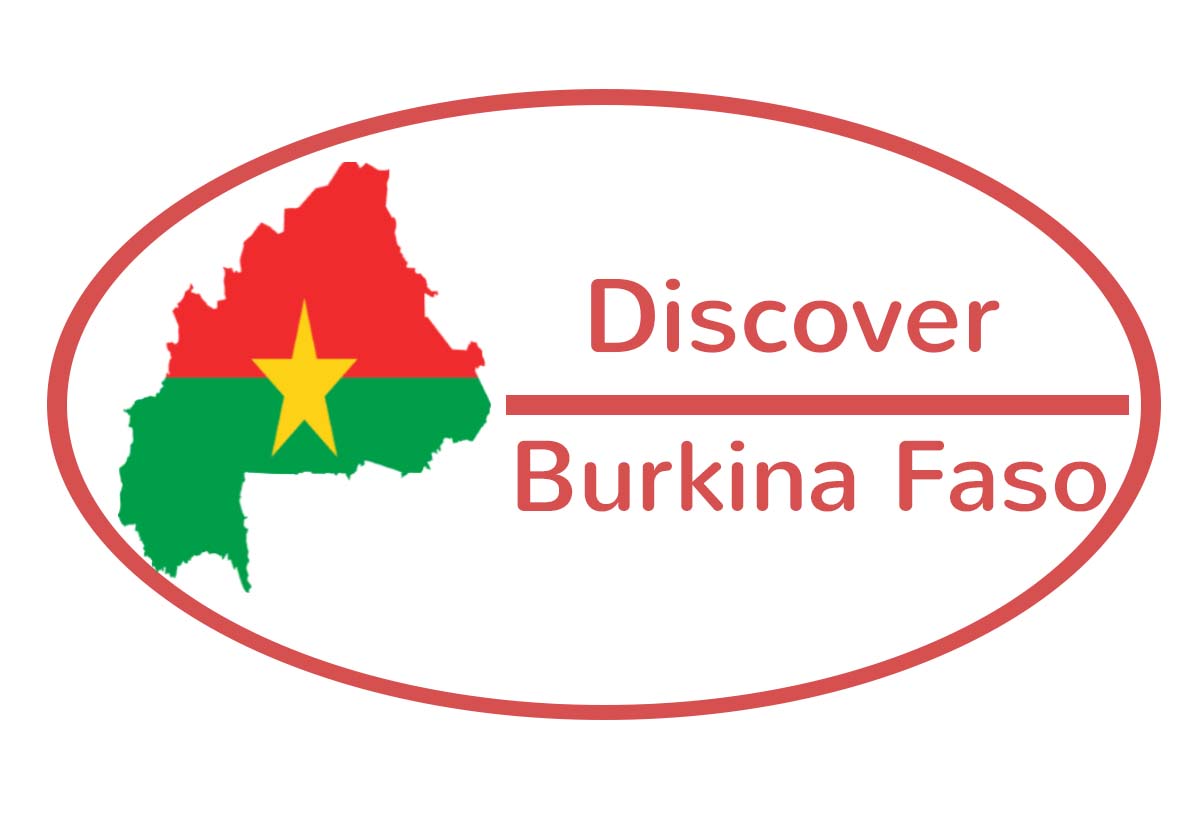
Discover Burkina Faso | Discover Burkina-Faso
Also known as the „Land of Upright Men”, Burkina Faso will know how to bewitch you with its thousand and one facets. The country has about 20,870,060 inha….
Burkina Faso remains one of the most challenging destinations in the Sahel due to persistent security threats in several regions. Many governments continue to advise against non-essential travel because of terrorism, kidnapping, and criminal activity. These security realities continue to limit international tourism and foreign investment.
Nevertheless, the economy has demonstrated surprising resilience. According to recent World Bank and IMF assessments, GDP growth reached approximately 5.3% in 2025, supported by agriculture, mining, and improved performance in selected service sectors. International financial institutions project continued growth, provided structural reforms continue and security gradually improves.
Major Challenges
Burkina Faso faces several interconnected obstacles:
- Ongoing insecurity affecting tourism, transportation, and rural communities.
- Climate change is impacting agriculture and food security.
- Youth unemployment, despite a rapidly growing population.
- Limited tourism infrastructure outside major cities.
- Weak international destination branding.
- Air connectivity that remains below regional competitors.
- Limited digital promotion of cultural and natural attractions.
These challenges also represent opportunities for innovation.
Innovation and Emerging Development
Although not widely recognized internationally as an innovation hub, Burkina Faso is steadily embracing digital transformation.
Government initiatives launched during 2026 include digital platforms promoting national development and greater digital public engagement. Local entrepreneurs are also developing home-grown digital marketplaces and services designed specifically for Burkinabè businesses, demonstrating an emerging technology ecosystem.
Innovation opportunities include:
- Smart agriculture technologies.
- Renewable solar energy.
- Digital tourism platforms.
- Mobile payment ecosystems.
- Local artisan e-commerce.
- Heritage preservation through virtual experiences.
- AI-powered multilingual destination marketing.
These sectors can become catalysts for a new tourism economy.
Burkina Faso’s Hidden Tourism Assets
Despite security concerns, Burkina Faso possesses remarkable tourism resources that remain largely unknown internationally.
Among its greatest attractions are:
- The Ruins of Loropéni, Burkina Faso’s UNESCO World Heritage Site.
- The dramatic Sindou Peaks rock formations.
- Karfiguéla Waterfalls near Banfora.
- Rich wildlife reserves where security conditions permit.
- Traditional villages preserving centuries-old culture.
- The internationally respected FESPACO African Film Festival, one of Africa’s largest cinema festivals.
- Exceptional music, dance, crafts, bronze casting, and textile traditions.
These assets form a powerful foundation for cultural tourism once visitor confidence returns.
Reimagining Burkina Faso’s Global Tourism Brand
Rather than competing directly with established safari destinations, Burkina Faso could position itself as:
“Africa’s Cultural Heart of Resilience.”
Such positioning would emphasize:
- Authentic cultural experiences.
- Community-based tourism.
- Film and creative industries.
- Sustainable heritage tourism.
- Ecotourism.
- Gastronomy.
- Indigenous traditions.
- Responsible travel.
Travelers increasingly seek authentic experiences over mass tourism, creating an opportunity for Burkina Faso to differentiate itself.
Strategic Tourism Roadmap
A long-term strategy could include:
1. Security First
Tourism cannot thrive without visitor confidence.
Priority should be placed on:
- Protected tourism corridors.
- Safe tourism zones.
- International security partnerships.
- Emergency visitor support systems.
2. Destination Marketing
Develop a modern national tourism campaign emphasizing:
- Culture.
- Music.
- Cuisine.
- Heritage.
- Film.
- Festivals.
- Hospitality.
Influencer partnerships, documentary production, and digital storytelling could significantly reshape global perceptions.
3. Digital Transformation
Develop:
- Official tourism mobile applications.
- AI-powered visitor assistants.
- Interactive cultural maps.
- Virtual museum experiences.
- Online booking ecosystems.
Digital visibility often becomes a destination’s first impression.
4. Community Tourism
Empower local communities through:
- Village homestays.
- Artisan workshops.
- Culinary tourism.
- Agricultural experiences.
- Cultural immersion programs.
Community-based tourism ensures economic benefits remain local.
5. Aviation and Connectivity
Expanding regional air connectivity through partnerships with West African airlines would improve accessibility and encourage multi-country itineraries.
Investment Opportunities
International investors may find long-term opportunities in:
- Eco-lodges.
- Boutique hotels.
- Renewable energy for tourism.
- Film production.
- Cultural centers.
- Digital travel platforms.
- Hospitality training institutes.
- Conference tourism.
Public-private partnerships could accelerate destination readiness.
Learning from Global Success Stories
Countries including Rwanda, Colombia, and Saudi Arabia have demonstrated that destinations once associated primarily with conflict or limited tourism can successfully reposition themselves through sustained investment, branding, infrastructure development, and improved visitor confidence.
Burkina Faso possesses many of the same ingredients:
- Rich culture.
- Young population.
- Strong artistic identity.
- Strategic African location.
- Authentic experiences unavailable elsewhere.
The Role of International Partnerships
Organizations such as UN Tourism, the African Union, ECOWAS, development banks, airlines, universities, and global media all play important roles in helping Burkina Faso develop sustainable tourism.
International collaboration should focus on:
- Capacity building.
- Heritage conservation.
- Digital innovation.
- Green tourism.
- Skills development.
- Investment promotion.
Looking Ahead
Burkina Faso’s future visibility should not be defined solely by security headlines.
!–zlick-paywall–>
Its resilience, creativity, cultural wealth, entrepreneurial spirit, and commitment to development provide the foundations for a new international narrative.
The journey toward becoming a globally recognized tourism destination will require improved security, strategic branding, infrastructure investment, innovation, and international cooperation. If these elements align, Burkina Faso has the potential to emerge as one of Africa’s most authentic and culturally compelling destinations.
For the global travel industry, the story of Burkina Faso is still being written—and its next chapter may be one of renewal, resilience, and rediscovery.