Guanajuato Travel Guide | Top Sights, Safety & Where To Stay

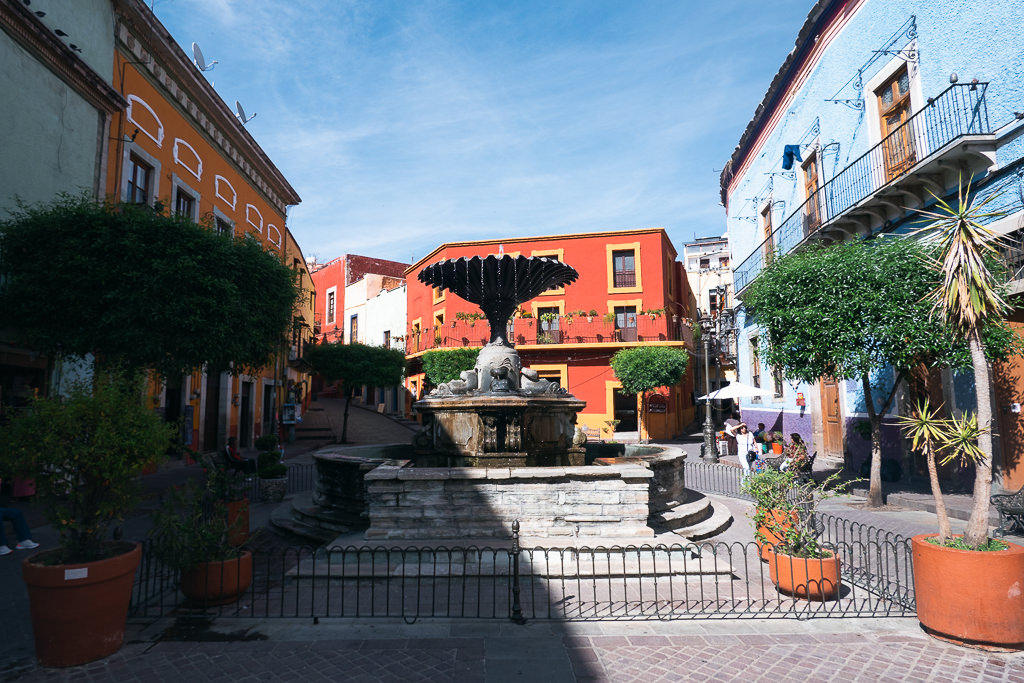
Of all the cities I’ve been to in Mexico, Guanajuato is probably the most beautiful.
No, scratch that — it is the most beautiful.
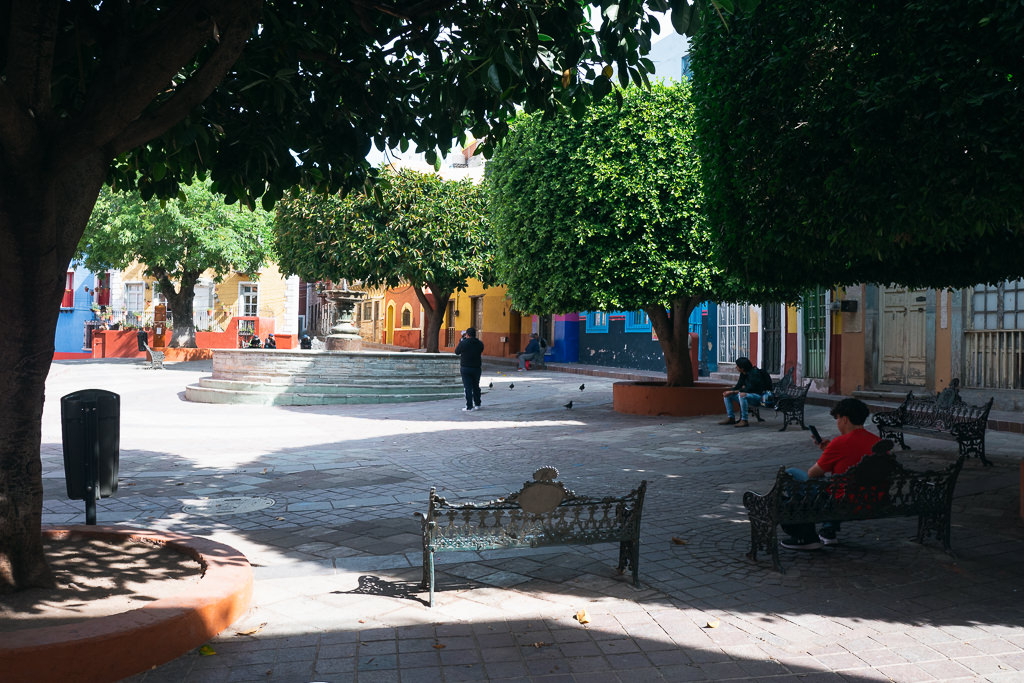
With its cosy squares, pastel and terracotta houses with wrought-iron balconies, and bougainvillea-covered facades, it’s an utterly peachy place. But far from just some empty Instagram backdrop, Guanajuato has a real substance to it. It’s a city you live in, not just look at.
What’s crazy to me is that so few people seem to know about this city. Compared to the big hits such as Mexico City, Cancun, Oaxaca, or even nearby San Miguel de Allende, I encountered hardly any gringos here. There’s a reason for that, which I’ll get into — but it’s rare for a city this beautiful to still feel like a hidden gem. (Domestic tourists do know of Guanajuato, so the center is still alive with activity. But Guanajuato does not feel like a city built purely around tourism.)

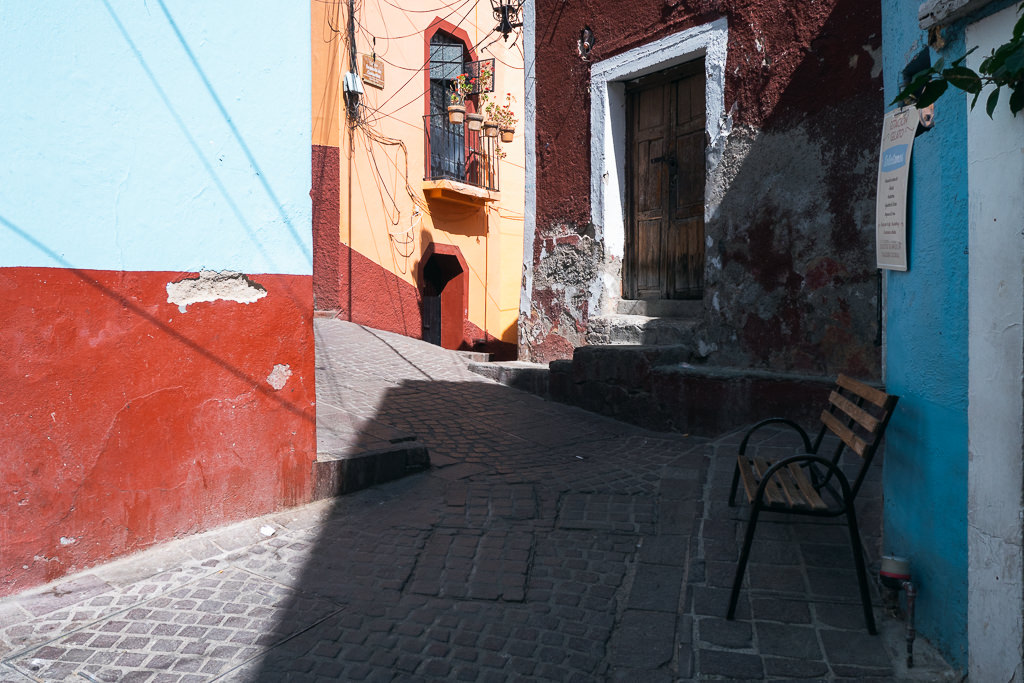
Cradled in a narrow valley, Guanajuato eschews any sort of grid pattern, instead developing into one big tangle of sinewy roads and narrow alleyways. This alone makes it a joy to wander, though what I didn’t expect was the unusual degree to which its urban layout pulls you not just in sideways directions, but up and down.
The city is famed for its tunnels cutting through the hills, many of them being repurposed old mining tunnels or old riverbeds (in fact, this is part of what earned it UNESCO World Heritage recognition). The tunnels create some unexpected connections within the city and an overall feeling of ‘3D’ exploration. Several times I felt a bit like Super Mario entering through a warp pipe, as I popped out of one neighborhood and into another by way of what felt like a secret passage inside this Guanajuato level.
The tunnels have the added benefit that they reroute a fair bit of car traffic underground, so much of the old center is pedestrian-only — so you can expect to stroll around this beautiful city with hardly any traffic noise.
Intrigued? Here is everything you need to know for your Guanajuato stay.
Originally published 2023, updated & expanded in 2026.

Where to stay in Guanajuato
I ended up staying at Hotel 1988 Guanajuato — a last-minute booking, drawn in by the hilltop views, the pool, and the budget-friendly price. I had a good stay there, but it was about a 20-minute walk from the centre, or a taxi ride each time. It felt like this hotel was more aimed at Mexican families arriving there by car.
In hindsight, I would have stayed either in a hostel for a low-budget stay, or sprung a little more for a nice boutique hotel in the old centre itself. The following properties came up in my research that I suggest checking out first.
A traditional Mexican posada with stone arches and terracotta tiles. The location is perfect (5 min walk to the main square).
Modern soulful rooms with rooftop terrace, among the cosy roofscape of the old town. Near my favorite square with a local residential vibe. My pick for more of a guesthouse-sized hotel on the edge of the old town.
Why Guanajuato gets ignored (is it safe?)
While some locations in Mexico have had considerable hype, Guanajuato seems to stay a little off the usual travel routes. This seemed strange to me at first, but thinking about it more it started to make sense.
Firstly, Guanajuato is a bit out of the way. There are few direct flights to it, and Mexico City is a more obvious starting point for a Mexico trip. The classic overland itinerary goes southeast from the capital towards the Yucatan, skipping this region.
Also, an hour away from Guanajuato is the popular town of San Miguel de Allende, long known as an expat and retirement destination for Americans. Even though Guanajuato is more dramatic visually, SMA soaks up most of the visitors that do come this way.
But probably the main reason is Americans looking at State Department advisories for Mexico. I’m European so when I consult my European sources, there is nothing to alarm me. However, the US advisories put all of Guanajuato State at Level III – Reconsider Travel. This will surely put off any casual travelers only looking at the headline, or anyone who may not differentiate between Guanajuato City and Guanajuato State.
In reality, the US rating is due to safety issues around industrial zones around León and Celaya, not Guanajuato City. Based on my information as well as my experienced traveller instincts, I’m confident saying this city is as safe (if not safer than) many of the popular tourist destinations in Mexico. Apart from maybe isolated outer areas, the most there is to worry about generally is petty crime. I’ll go out on a limb here and say you’ll be safer in Guanajuato City than, say, Tulum.

The State Department is notorious for being litigation-averse and overly paranoid, often painting entire regions or countries with the same brush. I recommend consulting the more level-headed UK reports, which only highlight certain areas southwest of Highway 45D (far from Guanajuato City), while giving the green light to everywhere else.
I hope that can offer some reassurance. While certain reports could put you off initially, if you’re willing to go beyond the sweeping takes, you will be rewarded with an amazing city that most people completely miss. While I had to make a detour north from Mexico City to go here I considered it worth the extra travel time.
What to do in Guanajuato
Without further ado, let me share the things to do in Guanajuato — roughly ordered from top priority to nice-to-see.
For a more visual introduction you can also check out my vlog below, in which I show you the tunnel network, the Mercado Hidalgo, the viewpoints, the Mummy Museum, and several other sights.
Explore Guanajuato’s warren of tunnels
It might not seem like ‘tunnels’ would be all that exciting as a tourist sight, but it’s actually really fun — and no visit to Guanajuato would be complete without experiencing its most distinguishing aspect.
Many of the tunnels and subterranean streets date back from Guanajuato’s history as a silver mining town, when it became the world’s leading silver-extraction centre in the 18th century. It lured the Spanish searching for riches, and Guanajuato even became the temporary capital of Mexico for some time.


Initially serving to divert the waters of Rio Guanajuato to prevent flooding during the mining era, the tunnels now serve to manage traffic flow in an ever-growing city, though a couple of tunnels are pedestrian-only. In particular you can check out this one, and this underground street, which is in the old centre.
In my vlog you can also see me walking through the longer car tunnels. Some people asked me if that is safe, and to be honest, I didn’t really think about it. But if you have concerns, you might want to stick to the tunnels linked above, which are well-trafficked with many tourists walking there during the day.
Take a walking tour of the old center
Guanajuato is a great place for unscripted exploration, and I definitely recommend spending at least an afternoon wandering around wonderfully windy alleyways up the hills without any specific goal in mind.
However, a more structured walk with a local will give you far better insights into the history, culture, and stories hidden behind the facades.
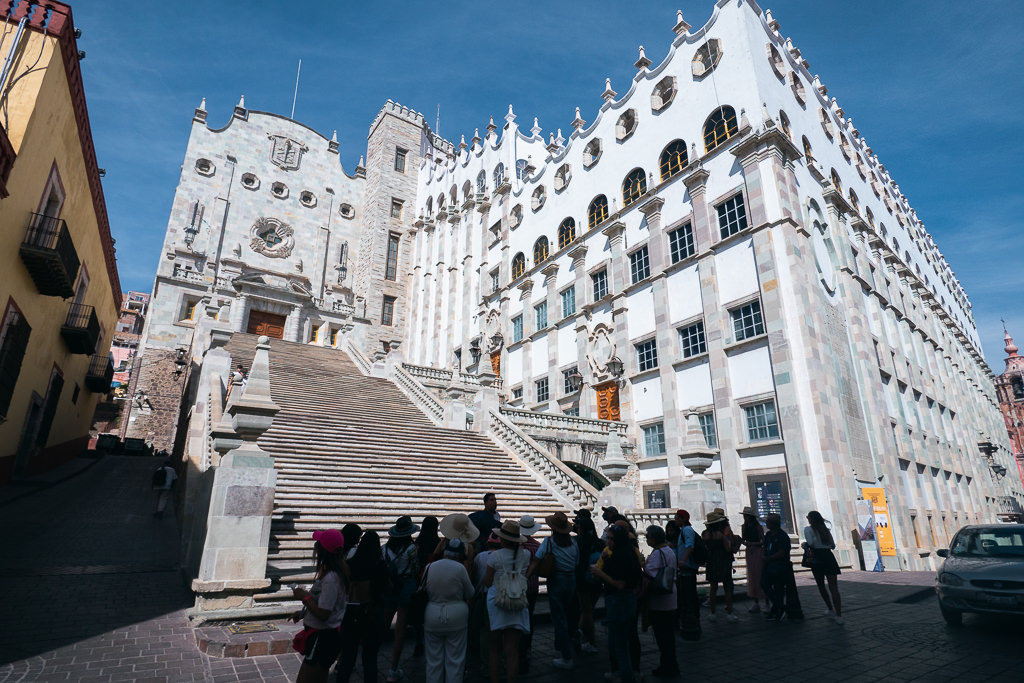
You’re surely familiar with the ‘free walking tour’ concept, though I find that these can be quite hit-and-miss. In other cities I’ve had some shoddy tours run by hostel volunteers who weren’t even local. Luckily, I have a specific tip here for a tour that is sure to give you a great experience.
I always use the platform Guruwalk to find my local walking tours. The advantage is that it has actual user ratings and profiles letting you understand exactly who will be running it. This excellent walk by Silvia has a 4.9 rating and is praised for the entertaining stories, deep knowledge, and excellent English.
Reserve your walking tour (free)
Note: while it’s free to make a reservation, the tour is still donation-based, so be sure to tip your guide at the level you think it’s worth.
If you prefer a fixed-price tour, check out this small-group Guanajuato cultural walk.

Eat at the Mercado Hidalgo
This large market hall is one of my favorite spots in Guanajuato. The chaotic collection of stalls is not just a foodie paradise, but the building itself is also worth seeing.
The gorgeous cast-iron arched structure was originally intended to become the roof above Guanajuato’s central train station. Designed in the early 1900’s by Gustave Eiffel (whom you may know from a certain tower in Paris), the project ran into some difficulties, after which it was transformed into a market hall. The railway to Guanajuato was never completed.
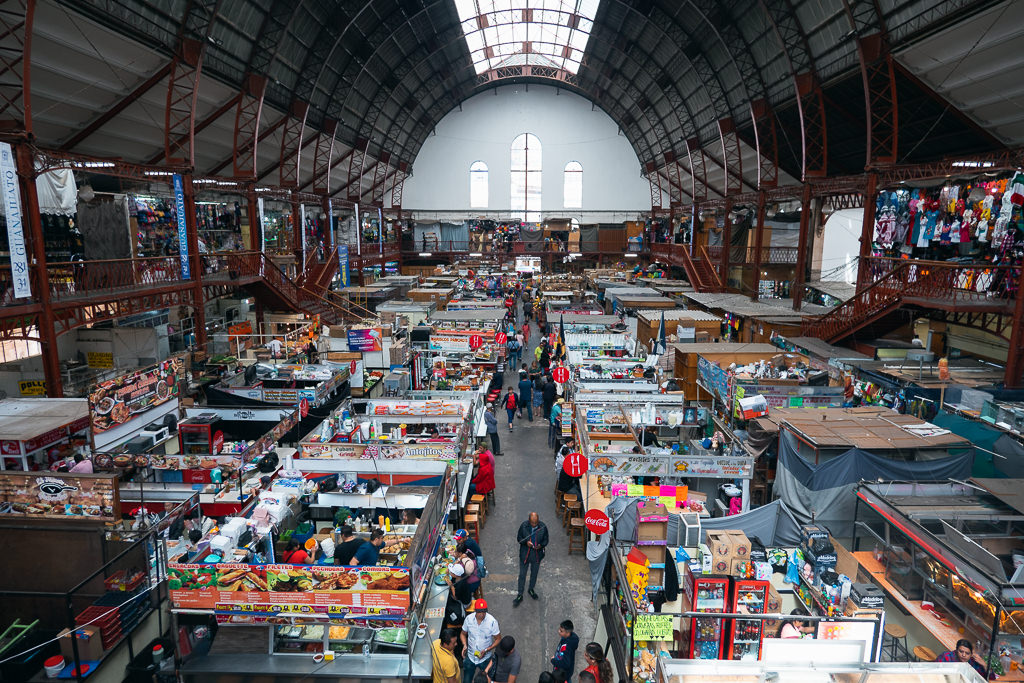
The market is a really fun place to dive into the local cuisine and get some local, affordable meals. Stroll around and you may see some interesting curiosities, such as a butcher selling chicken feet by the bunches, or a stand offering a choice between 50 different habanera sauces for your torta. Even if you won’t stop for lunch, it’s still a feast for the eyes.
Visit the dead at the Mummy Museum
If you’re a fan of the macabre, this small museum will surely be an odd little highlight.
The Guanajuato Mummy Museum is home to several dozen mummies. From 1865 to 1958 the city of Guanajuato required people to pay a grave tax; when their living relatives couldn’t pay, the bodies were simply put elsewhere. Due to the dry conditions of the soil in the area, many of those bodies were naturally mummified.
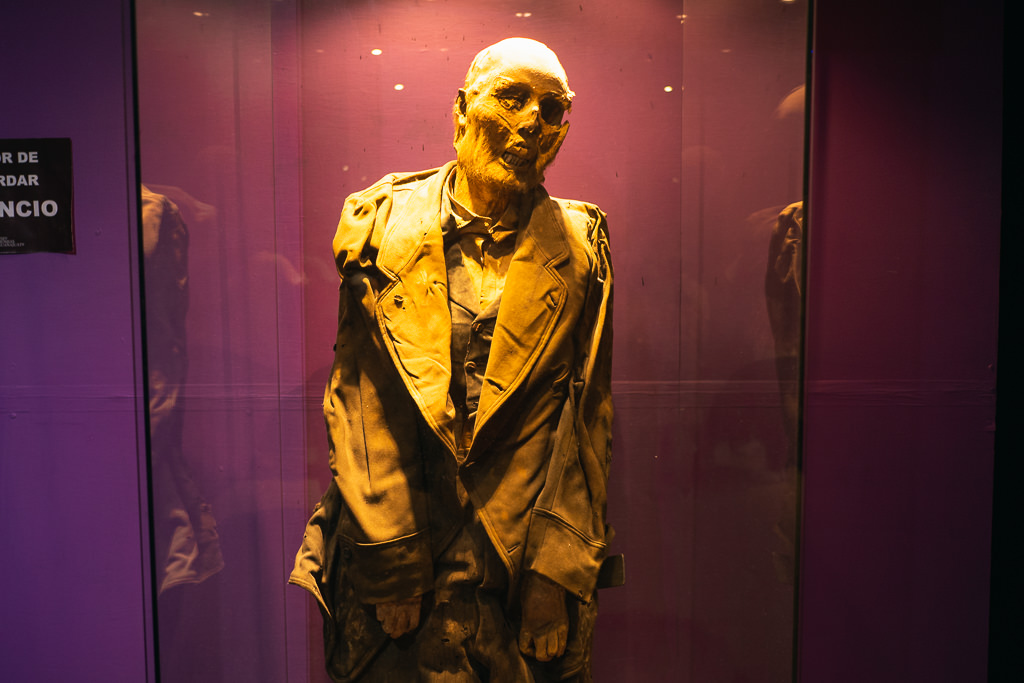
The displays here are a little more lifelike and macabre than your average Egyptian mummy, since more detail has been preserved. Given how relatively recent these mummies still are it’s maybe also strange to see them on display, though I suppose Mexican culture has a different relation to the dead, so perhaps this is less controversial than I may have initially thought.
It’s located about a 20-25 minute walk outside the main center. It’s uphill, so you may want to get a taxi there and walk the way back.
Take the funicular up the hills
I was a bit skeptical of this attraction as it seemed to be most obviously some sort of tourist ride… but actually, the funicular turned out to be one of the most memorable experiences I had while in Guanajuato.
Without a doubt, your visit to Guanajuato should include this trip up to the top of the hills via this cable car. There, you’ll be greeted by the iconic El Pilipa statue and hands down the best view over Guanajuato.

Make the trip at least 30 minutes before sunset to secure a good view and watch as the lights turn on over the city… it’s unforgettable. Standing at this viewpoint and seeing the city bathed in perfect light, the domed roof of the basilica in the center, I was almost reminded of a similar viewpoint in Florence, Italy.
There are many stalls around here where you can grab a drink while you sit on the stairs, or you can grab a seat at one of the restaurants with terraces here. I had a nice cold beer at this cervecero (cash-only) with the same excellent view.
Hike up to la Bufa
What better way to view Guanajuato than from a mountaintop! While most things to do are within the city, this was the most fun activity I did outside of it.
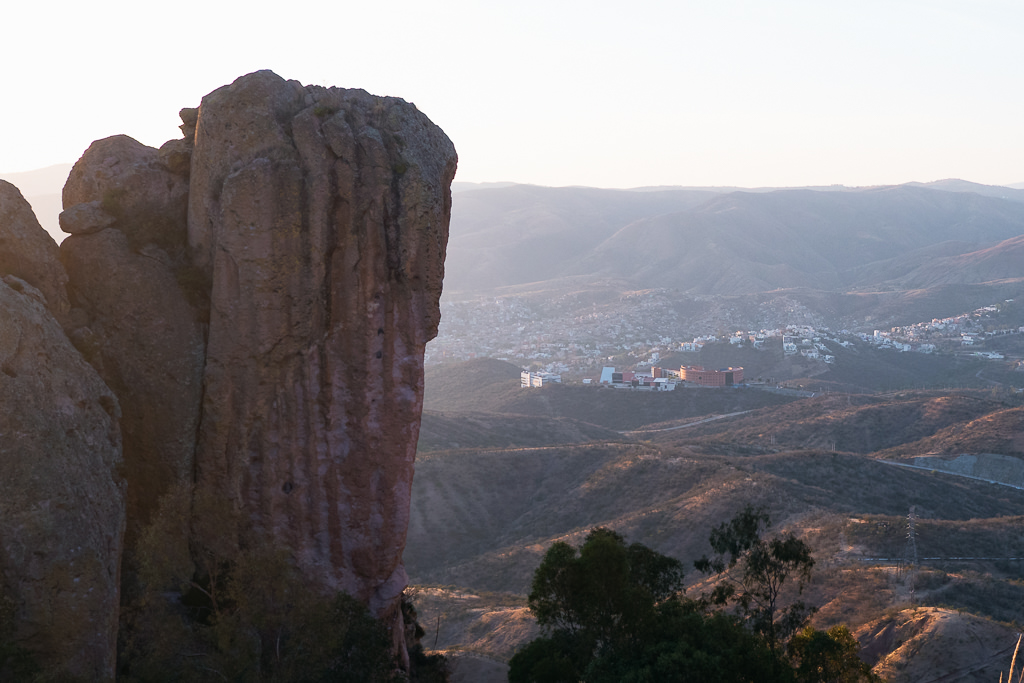


This hike starts on the edge of Guanajuato and goes through cactus-strewn terrain with some cool rock formations, and ends on top of a cliff with stunning views of the city below. It takes about 2 hours round-trip, but it could take more like 3 hours depending on your pace.
I should say it’s a bit tricky doing this independently. First, you need to take a taxi to the starting point. The first sections of the trail are very easy to follow, but to reach the summit, you have to climb several metal stairs and large boulders, which are not properly marked.
If you’re an experienced hiker who uses hiking apps (such as Alltrails) you can probably figure it out pretty easily, otherwise, you may wish to use a local guide. They can also help you time the hike to reach the summit exactly at sunset and transport you safely back when it’s getting dark.
You can check the full trail I did here. Or check this tour for a local hiking guide, which is the only organized hike for La Bufa that I could find that you can book easily online. It includes a free pick up and drop off at your hotel.

Dine on top of a footbridge
You can’t miss this restaurant as you’ll surely pass by it a few times while strolling Guanajuato’s main walking street. If you can grab one of the tables on top of the bridge at Santo Cafe, you’ll have one of the nicest people-watching spots.
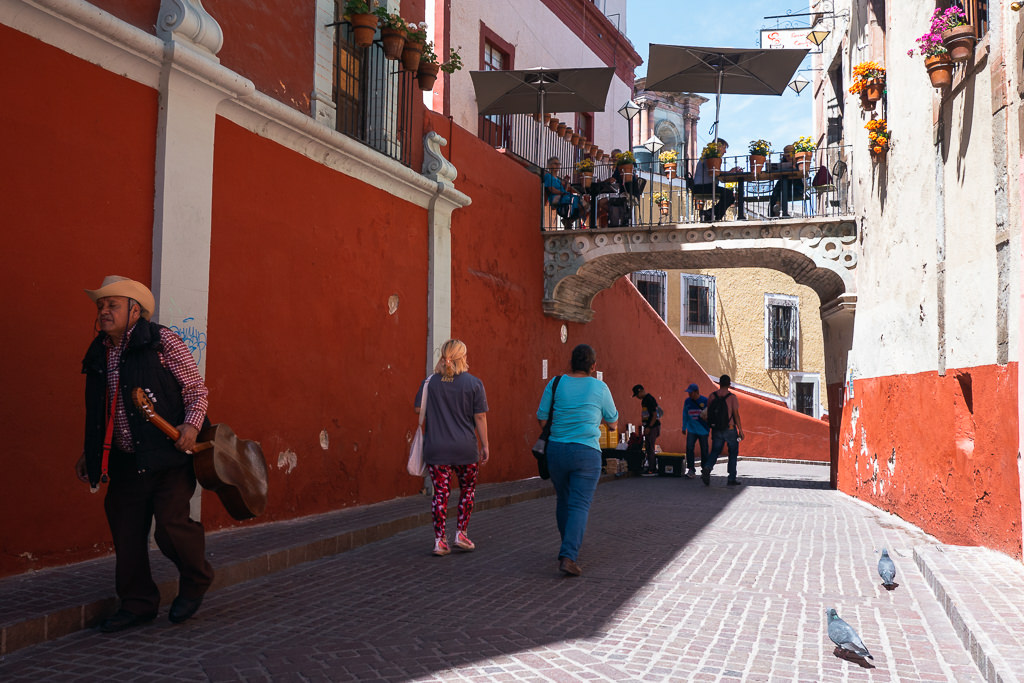
See the Juarez Theatre
An intriguing venue for enthusiasts of performing arts and flamboyant neoclassical architecture, Juarez Theatre is a perfect pit stop during your daytime walk or for an evening out.
Juarez Theatre hosts a variety of entertainment including dance performances, concerts, plays, and film screenings. If you’re hoping to catch a show, make sure to purchase tickets ahead of time at the box office.

See Diego Rivera’s childhood home
Husband to the illustrious artist Frida Kahlo, Diego Rivera was a major artist in his own right. (It’s funny how in her time Frida was often known as ‘the wife of…’ and history has really flipped this around.)
If you’re visiting Mexico City then you can check out the Casa Azul where Rivera and Kahlo worked and lived together. However, Rivera’s humble beginnings started here in downtown Guanajuato.
Born in 1886, Rivera was born into a well-to-do family and at the age of three, one year after his twin brother died, he began writing and drawing on the walls. Instead of punishing him, his parents put up chalkboards to encourage his artistic endeavor.
The Diego Rivera home in Guanajuato is a museum dedicated to preserving the space as it was when he was born. It’s a small museum with a modest number of displays, but it’s still worth taking the opportunity to check out.
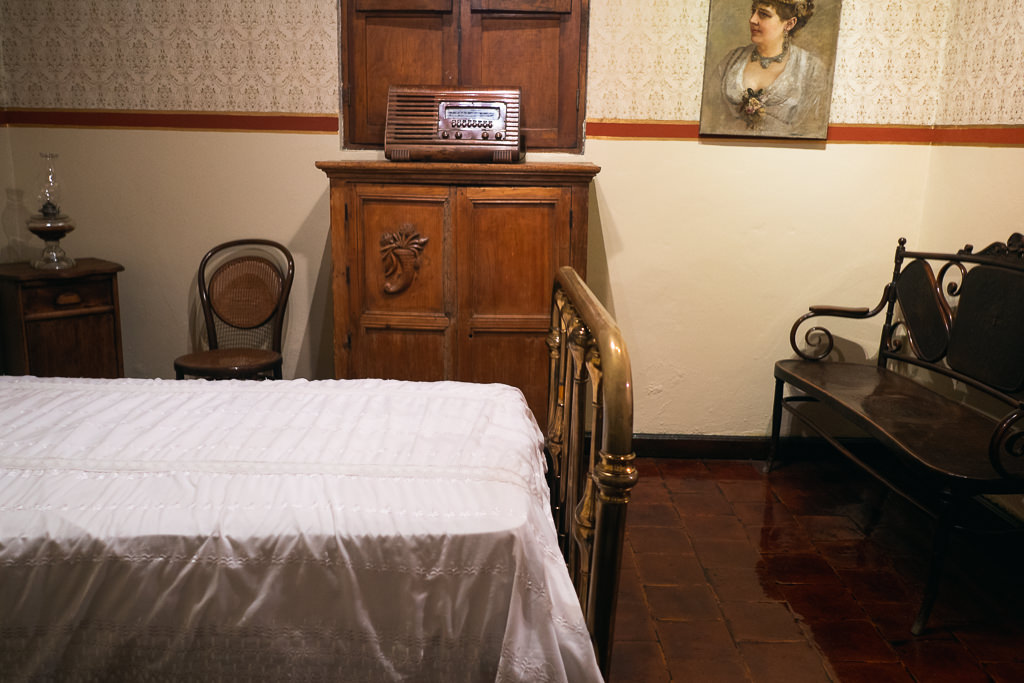
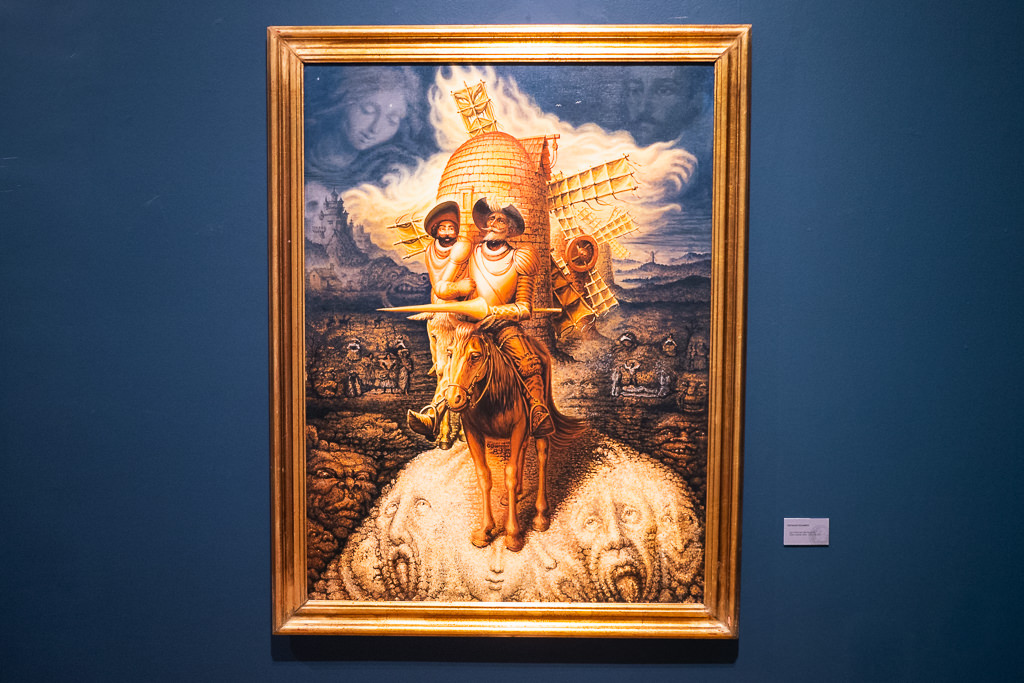
Visit Don Quixote Iconographic Museum
Guanajuato has an unwavering obsession with Miguel Cervantes, the famous Spanish writer of influential novels such as Don Quixote.
The legend goes that in 1939 a young refugee made it to Mexico after fleeing a French Concentration Camp, bringing with him Don Quixote, a book he had gained by trading a pack of cigarettes.
Finding relief through reading and connection with Don Quixote’s human fight for justice, he began collecting Don Quixote-inspired art, amassing a large collection that he later donated for public enjoyment as a gesture of thanks to Mexico. This collection has now become the Don Quixote Iconographic Museum.
Part of the exhibition here consists of artwork inspired by Don Quixote and it was interesting to see the wide range of styles and interpretations.
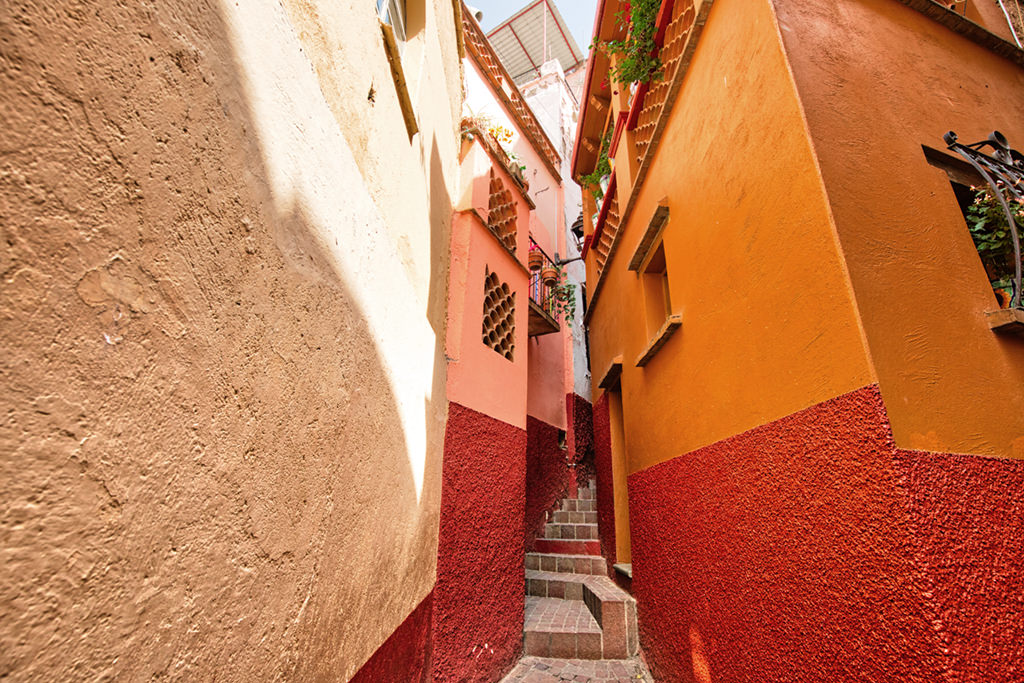
The tiny alleyway of Callejón del Beso
Callejón del Beso, or Alley of the Kiss, is the smallest of the tiny alleyways in Guanajuato — and the source of a tragic legend.
Supposedly, on one side, a wealthy young lady once lived. In love with a poor miner, she would lean out of her window to kiss her forbidden lover on the other side. Her controlling and jealous father discovered her and killed her with a dagger… and the miner then took his own life later at the mine.
The alleyway is now said to bestow good luck to lovers who visit and kiss on its steps.
If you’re visiting Guanajuato as a couple, then this will be a fun romantic stop. Just know that locals will immediately try to sell you their hand-drawn pictures of the alleyway. A common scam of sorts is that they’ll try to write your name on the art right away, guilting you into a purchase, but just remember you’re under no obligation.
Explore the old mines
In the 1540s, the Spanish found large deposits of gold in the area, followed by silver and other minerals. Mines were dug and forts were built as, naturally, the Spanish wanted to protect their investment.
Currently, there are two mines open to the public for tours. It goes without saying that maybe if you’re claustrophobic, you might want to sit this one out.
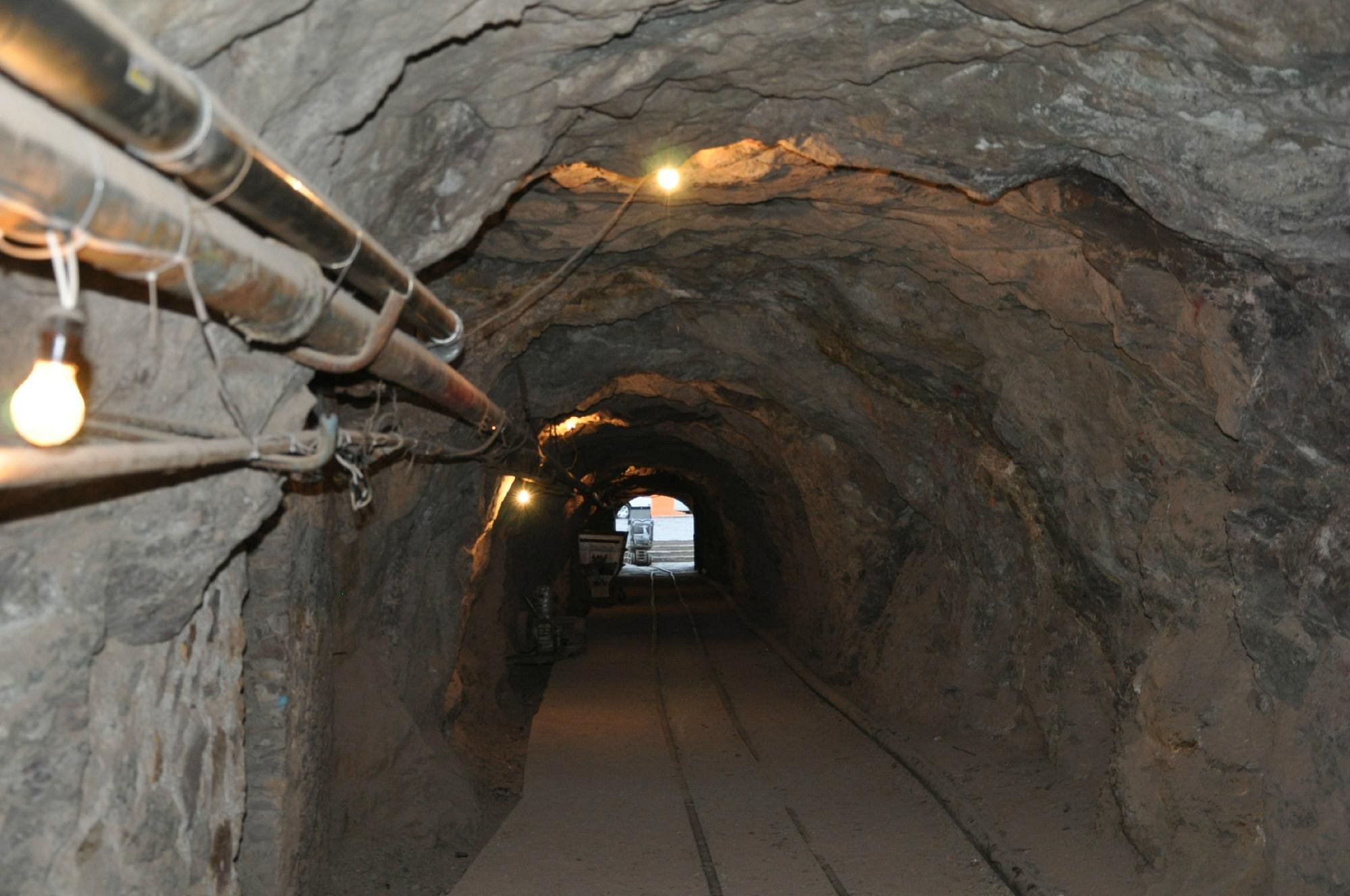
The El Nopal mine is the closest to the city and has tour guides offered by local students for as low as a few dollars. The second and larger mine is La Valenciana, which during the 17th century was the deepest mine in the area. Guests can descend into the 60m long mineshaft and get an up-close look at what makes Guanajuato the place it is today.
Booking a private tour that includes the two mines and other museums is a great way to tick a lot of sights off the list on one go. This tour leaves out the museums and focuses just on the historic mines, while this one adds the fun element of driving there on ATVs.
The peaceful yet gruesome gardens of Cochero
Covered in lush greenery and picturesque views, the Hacienda del Cochero is a beautiful spot outside the city offering a nice respite from the close quarters of downtown Guanajuato.
The hacienda is covered with vines, left green plants, and vibrantly coloured flowers. The outside of the hacienda is a sight in itself but what lies beneath is even more interesting, as it’s here that you’ll find the Torture Museum.
The tunnel-like entrance that leads under the gardens leads to a maze of corridors and a museum filled with grim displays and exhibitions of torture devices. The reason is that the Hacienda del Cochero served as a torture complex during the Spanish Inquisition, torturing Natives and locals until they renounced their religion for Christianity.
Visit the Alhóndiga de Granaditas
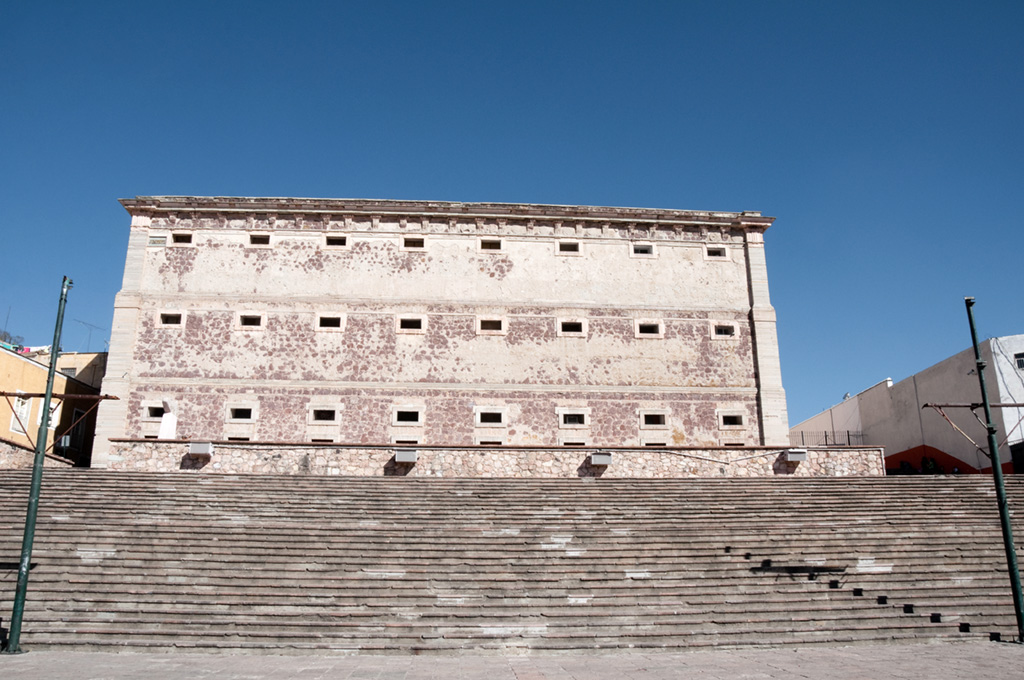
This neoclassical building once served as a public grain exchange or warehouse. It was here that hundreds of Spanish loyals locked themselves inside trying to evade thousands of insurgents led by Miguel Hidalgo during the Mexican War of Independence. That day, all those in hiding were massacred and the building burned.
Later, the Alhóndiga served as a prison for roughly a century.
Though it carries a turbulent past, this building memorializes heroes and leaders of the Mexican Independence and now serves as The Regional Museum of Guanajuato.
Walking through the Alhóndiga, various exhibits showcase stories, art, and relics of the Independence in addition to a small collection of Pre-Hispanic art.
Savor the local wine
While the Mexican region of Baja Peninsula is most known for growing and producing good wine, Guanajuato’s wine industry is also quite booming. If you fancy yourself a wine aficionado, consider checking out the wineries and sampling the local varieties.
There are roughly 25 wineries around the Guanajuato and San Miguel de Allende area so there’s no shortage of places to choose from. Hacienda San José Lavista, Dos Búhos, and Rancho Toyan are regarded as some of the best.
You may need a car to get here, but tours are widely available to book as well, although most start from San Miguel de Allende.
Catch the International Cervantino Festival
Traveling to Guanajuato mid to late October, you can experience the International Cervantino Festival, honoring a tradition started in the 1970s of performing short plays by Cervantes (author of Don Quixote) in the public squares.
Now, world-class artists and performers join from around the globe offering plays, dance, operas, folk and contemporary music, visual arts, workshops and classes. Throughout the year, you’ll likely run into street performers dressed in Cervantino garb reciting plays throughout the day.

Getting to Guanajuato
Guanajuato is easily accessed via public bus from Mexico City or neighboring towns, such as San Miguel de Allende. I usually grab a first class bus ticket, which provides impressive comforts for a still affordable price.
From Mexico City: the trip takes about 4 hours and departs from Mexico City’s northern bus terminal. You can get tickets via ADO or you can easily see all options at Busbud, a platform specializing in Latin America.
From San Miguel de Allende: Direct buses run roughly hourly and take about 1 hour 15 minutes to 1.5 hours. Tickets run $10–20 USD depending on the operator and how far ahead you book. Buses leave from San Miguel’s Central de Autobuses, about a 20-minute walk or short taxi from the historic center. Busbud has got you covered here too.
Leon International airport is about 45 minutes away and shuttles can be arranged cheaply to and from Guanajuato.
Once in Guanajuato, walking is the easiest way to get around, but Ubers and taxis are also available. Though taxis are relatively safe, the rates are not well regulated and sometimes without a working meter, so I found ride hailing to be the most consistent way to get from A to B.


Where to next?
Guanajuato pairs naturally with a few nearby stops if you’re building out a longer itinerary. Here are a few ideas:
San Miguel de Allende is the obvious pairing, being Guanajuato’s flashier, more expat-heavy neighbor. Its baroque pink-stone parish church, La Parroquia, is surely one of the most photographed buildings in Mexico, and the town has a much bigger gallery, boutique, and restaurant scene. SMA is the more polished (and arguably more commercial) place, but paired with Guanajuato it can give you the best of both worlds.
Querétaro is another easy add-on — about 2.5 hours by bus, it makes for a convenient stop between Guanajuato and Mexico City. It’s another UNESCO-listed colonial center, built around a striking 18th-century aqueduct, with a lively food and wine scene. It’s flat and doesn’t have the verticality of Guanajuato, but it’s charming and prosperous thanks to various tech and aerospace companies being based nearby. I really liked exploring it and I consider it quite underrated.
Peña de Bernal, near Querétaro, is one of the tallest monoliths in the world — a sheer rock formation that towers over a small, cobblestoned pueblo magico at its base. If you’re up for it, you can hike partway up the rock face itself for sweeping views over the surrounding valley. Do it early or late in the day as it’s fully exposed and can quite sweaty! For more info, check out my guide to Pena de Bernal.