Spiti Valley Travel Guide: Best Route, Itinerary, Budget, Weather & Hidden Villages | SetMyTrip
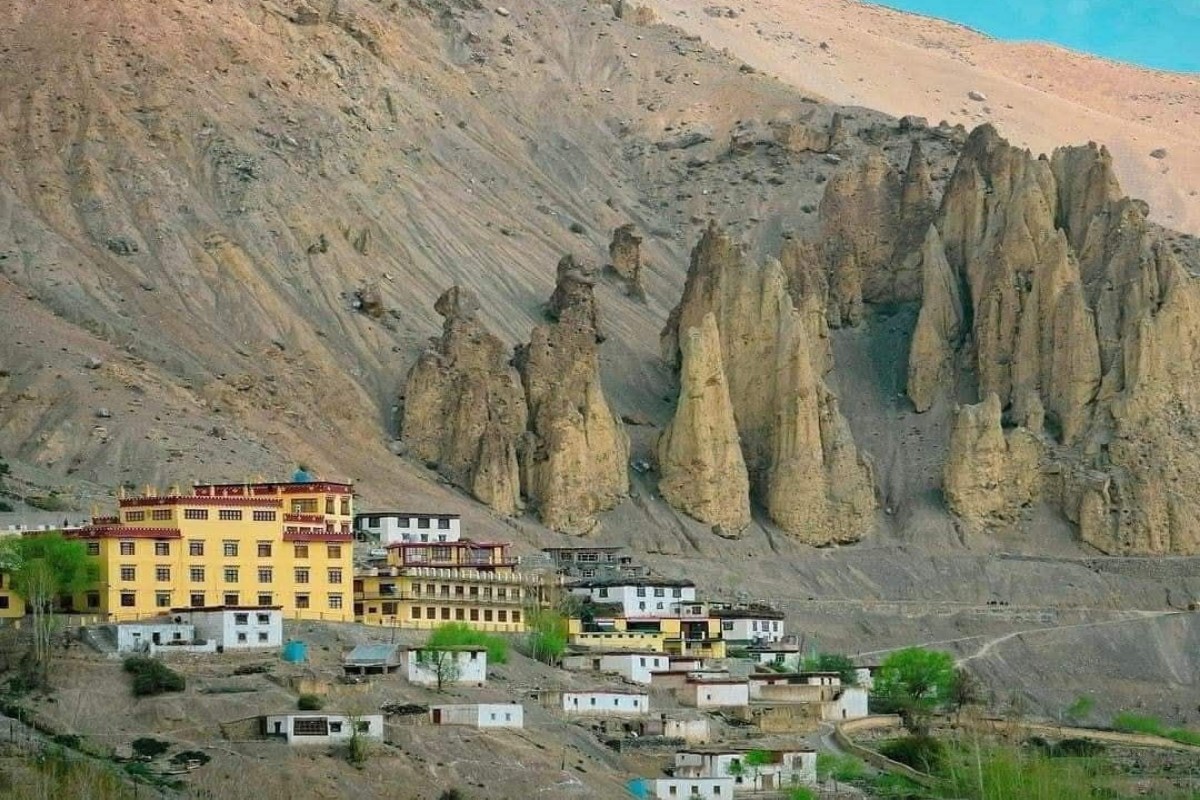
Spiti Valley, Himachal Pradesh, is one of India’s most rewarding Himalayan journeys, best known for its high-altitude cold desert landscapes, ancient monasteries, remote villages, dramatic road routes, and some of the clearest night skies in the country. Unlike commercial hill stations, Spiti offers a raw mountain experience shaped by Tibetan Buddhist culture, fossil-rich terrain, village homestays, and iconic routes through Shimla, Kinnaur, Manali, and Chandratal.
The valley is ideal for road trips, family expeditions, biking circuits, monastery trails, village slow travel, and astrophotography, making it one of the few Indian destinations that appeals equally to adventure travelers and cultural explorers.
What makes Spiti stand out is the journey itself—crossing changing landscapes from green Kinnaur valleys to the stark moonscapes of Kaza, then moving toward remote villages like Langza, Hikkim, Kibber, and Pin Valley. This depth of landscape, culture, and route diversity is what makes Spiti more than just a sightseeing destination.
Where is Spiti Valley + Route Context
Spiti Valley is located in the northeastern part of Himachal Pradesh, in the trans-Himalayan cold desert region bordering Tibet Autonomous Region. The valley stretches around Kaza as the main hub, with key circuits spreading toward Tabo–Dhankar in Lower Spiti, Langza–Hikkim–Komic in Upper Spiti, Kibber–Chicham wildlife belt, and Pin Valley toward Mudh village.
From a route-planning perspective, Spiti is usually approached in two distinct ways, and this route context is essential for both user experience and SEO intent:
- Shimla–Kinnaur–Spiti route: best for gradual altitude gain, families, seniors, and first-time travelers
- Manali–Kunzum–Kaza route: shorter and visually dramatic, best for experienced road trippers and bikers
- Full circuit: enter via Shimla and exit via Manali for the most complete Spiti journey
This route diversity is what makes Spiti highly searchable across multiple travel intents like self-drive road trips, bike expeditions, family itineraries, Chandratal extensions, and offbeat village stays.
Himachal Special by SetMyTrip
Can’t Find Your Perfect Himachal Tour Yet?
From Shimla, Manali, Dharamshala, Dalhousie, Kinnaur, and Spiti Valley to
premium winter snow drives, get a customized Himachal itinerary based on your
duration, hotel category, route preference, and budget.
Best Time to Visit Spiti Valley (Month-by-Month + Travel Style Guide)
The best time to visit Spiti Valley depends on your route choice, snow preference, Chandratal access, photography goals, and whether you want a family-friendly road trip or a rugged 4×4 winter expedition. There is no single “best month” for everyone, so the ideal season depends on the kind of experience you want.
For most first-time travelers, June and September are the most balanced months, offering the best mix of open roads, comfortable daytime weather, operational homestays, clear skies, and full circuit flexibility.
Best Season by Travel Style
- Late May to June: best for snow walls, fewer crowds, family trips, monastery circuits, and early summer landscapes
- July to September: best for full Spiti circuit, Chandratal camping, village stays, Pin Valley, and classic road trips
- Late September to Early October: best for crystal-clear skies, autumn tones, stargazing, and photography
- November to March: best for winter Spiti, snow villages, frozen rivers, and 4×4 snow expeditions
- April: best for quiet shoulder-season travel via the Shimla route with snow still visible
How to Reach Spiti Valley
Spiti Valley is best reached through a combination of air, rail, road transfers, self-drive routes, Volvo connections, and local taxis, depending on your starting city and season. Since route geography is already covered earlier, this section should help travelers choose the most practical gateway and transport mode.
For most travelers, Chandigarh is the most convenient access hub, offering the best combination of flights, trains, self-drive rentals, SUVs, and overnight Volvo connectivity.
By Flight
The most practical airports for reaching Spiti are:
- Chandigarh Airport → best for road trips, family SUV tours, and full circuit departures
- Bhuntar Airport → useful for Kullu–Manali side access during the summer road season
- Delhi Airport → best for travelers combining flights with Volvo or train connections
For premium SetMyTrip Spiti Valley packages, Chandigarh works best as the primary departure hub.
By Train
There is no direct rail access to Spiti.
Best rail gateways:
- Chandigarh Railway Station
- Kalka Railway Station
- Shimla toy train extension for travelers combining heritage rail with road trips
By Volvo + Bus
A popular budget-friendly way is:
- overnight Volvo to Shimla / Manali / Chandigarh
- onward local bus or shared cab
- private taxi toward Kaza
By Self-Drive or SUV
Spiti is one of India’s best self-drive and SUV expedition destinations.
Most travelers prefer:
- SUV rentals from Chandigarh
- self-drive departures from Delhi
- bike rentals from Manali / Chandigarh
- 4×4 winter departures from Shimla side
Best Gateway by Departure City
To improve real traveler usability:
- Delhi: best by Volvo, self-drive, or flight to Chandigarh
- Mumbai: flight to Chandigarh → road trip
- Kolkata: flight/train to Chandigarh → SUV departure
- Bangalore: flight to Chandigarh → full circuit
Spiti Valley Altitude & Acclimatization Guide
h = 3{,}800\ \text{m}
Spiti Valley is a high-altitude cold desert, and most trips revolve around Kaza at around 3,800 m, with villages like Komic, Hikkim, Langza, Kibber, and Chicham rising much higher. Because of this, proper acclimatization is one of the most important factors for a safe and enjoyable journey.
The safest way to adapt is to allow your body gradual altitude gain, which is why the Shimla–Kinnaur entry route is strongly recommended for first-time travelers, families, kids, and senior citizens.
Why Acclimatization Matters in Spiti
Rapid ascent can lead to Acute Mountain Sickness (AMS), especially when travelers directly enter high altitude from the Manali side.
Common symptoms:
- headache
- nausea
- poor sleep
- breathlessness
- fatigue
- loss of appetite
- dizziness
These are more common when:
- entering via Manali
- skipping night halts
- overexerting on Day 1
- dehydration
- alcohol intake
- poor sleep before ascent
Best Spiti Valley Itineraries
The ideal Spiti Valley itinerary depends on your available days, route preference, altitude comfort, and travel style. While short trips focus on Kaza and nearby high villages, longer itineraries unlock Chandratal, Pin Valley, monastery circuits, and slow village stays.
For the best travel experience, itineraries should always balance road time, acclimatization, village exploration, and photography windows.
4 Days Spiti Quick Escape
Best for:
- repeat Himalayan travelers
- adventure road trippers
- Chandratal add-on travelers
- long weekend explorers
Focus:
- Kaza
- Key Monastery
- Langza
- Hikkim
- Komic
- Kibber / Chicham
6 Days Classic Spiti Itinerary
The most popular trip style.
Best for:
- first-time travelers
- couples
- premium families
- photographers
Covers:
- Tabo
- Dhankar
- Kaza
- Key
- Langza circuit
- Kibber
- Chicham
- optional Pin Valley
8 Days Full Spiti Circuit
The most recommended itinerary for SetMyTrip.
Best for:
- first-timers
- full road trip lovers
- self-drive groups
- SUV departures
- couples
Best flow:
Shimla → Kinnaur → Tabo → Kaza → villages → Chandratal → Manali
This offers:
- safe acclimatization
- both iconic highways
- monastery depth
- Chandratal extension
- best photo diversity
Best Things to Do in Spiti Valley (Experiences, Landscapes & Places)
Spiti Valley is not just about sightseeing—it is about experiencing one of India’s most dramatic high-altitude landscapes through monasteries, remote villages, fossil mountains, canyon drives, night skies, and slow cultural immersion. The best things to do here combine places, scenery, local life, and geography-led experiences, making every day of the journey feel completely different.
Explore the Ancient Monastery Trail
One of the most rewarding experiences in Spiti is following its Buddhist monastery circuit, where centuries-old gompas sit dramatically on cliffs, ridges, and valley edges.
Must-experience stops:
- Key Monastery sunrise and prayer chants
- Tabo’s ancient murals and meditation halls
- Dhankar’s cliffside monastery views
- Kungri Monastery in Pin Valley
- Lhalung’s heritage monastery trail
Visit the Highest Villages & Fossil Landscapes
The high villages around Kaza offer some of the most iconic Spiti experiences.
Highlights:
- Langza for fossils, giant Buddha statue, and wide valley views
- Hikkim for the world’s highest post office
- Komic for one of the world’s highest motorable villages
- Gete for elevated panorama points
- Tashigang for offbeat high-altitude extensions
Experience Spiti’s Most Dramatic Landscapes
Spiti’s scenery changes constantly—from alpine lakes to canyon bridges and desert plateaus.
Best landscape-led experiences:
- Chandratal Lake for reflections and alpine basin views
- Chicham Bridge for canyon photography
- Kibber plateau for wide Himalayan emptiness
- Kunzum Pass for high mountain panoramas
- Dhankar Lake ridge for dramatic terrain contrast
- Pin Valley formations for stark geological beauty
- Gue and Hangrang dry mountain terrain for raw trans-Himalayan landscapes
Stargazing & Night Sky Photography
Spiti has become one of India’s top destinations for Milky Way photography, astro-tourism, and clear night sky experiences.
Best zones:
- Langza
- Kibber
- Chandratal
- Demul
- Kaza outskirts
Village Slow Travel & Homestay Experiences
The soul of Spiti lies in its villages.
Best immersive experiences:
- local homestays in Demul
- slow life in Mudh village
- village kitchens and butter tea
- local harvest walks
- yak pasture trails
- Kaza café culture
- heritage stays in Lhalung
Wildlife & High-Altitude Nature Experiences
For nature lovers, Spiti offers rare Himalayan wildlife zones.
Best experiences:
- Kibber Wildlife Sanctuary drives
- blue sheep spotting
- Himalayan ibex zones
- Pin Valley winter wildlife
- snow leopard expeditions in peak winter
- birdwatching in village wetlands and river edges
Scenic Drives, Photo Stops & Geographical Wonders
Some of the best moments in Spiti happen on the road itself.
Most scenic experiences:
- Ka Loops on the Kinnaur side
- Losar plains
- Batal rough mountain stretch
- Nako cliff roads
- Tabo moon landscapes
- Kaza to Langza ridgelines
- Kunzum snow walls in early season
Hidden Gems in Spiti Valley Most Tourists Miss
Beyond the famous monastery circuit and high villages, Spiti Valley hides a world of remote villages, secret viewpoints, fossil slopes, heritage monasteries, and slow-travel experiences that most itineraries skip. These hidden gems are what make a Spiti journey feel deeply personal, especially for repeat travelers, photographers, and those looking for quieter Himalayan landscapes.
Demul Village Slow-Life Experience
One of the most authentic hidden experiences in Spiti is staying in Demul, a quiet village known for:
- local mud homes
- family-run homestays
- traditional meals
- harvest walks
- night skies
- silence away from the Kaza crowd
It is one of the best places for village immersion and cultural slow travel.
Dhankar Lake Beyond the Monastery Stop
Most travelers visit Dhankar Monastery and leave.
The real hidden gem is the Dhankar Lake trail, where a short hike opens into a surreal high-altitude lake basin overlooking the Spiti–Pin confluence.
Best for:
- sunrise hikes
- photographers
- landscape lovers
- slow morning experiences
This is one of Spiti’s most underrated scenery spots.
Gete & Tashigang High Ridge Viewpoints
While most tourists stop at Komic, the quieter villages beyond offer even better geography-led experiences.
Why it stands out:
- fewer vehicles
- wider valley panoramas
- elevated ridgeline roads
- village solitude
- dramatic sunrise and sunset light
These are excellent alternatives to the more crowded high-village circuit.
Mudh Village in Pin Valley
Many travelers visit Pin Valley only as a drive-through.
The real hidden gem is Mudh village, where the valley opens into:
- glacial river plains
- golden autumn fields
- mountain shadow landscapes
- heritage village homes
- peaceful riverside walks
This is one of the best places for slow stays and photographers.
Fossil Slopes Around Langza
Beyond the Buddha viewpoint, the fossil slopes near Langza are one of Spiti’s most fascinating geological secrets.
What makes it special:
- marine fossils in Himalayan rock
- ancient seabed formations
- rare geological storytelling
- wide valley viewpoints
- soft evening light for photography
Gue Mummy Village & Hangrang Valley
A truly offbeat extension, Gue village is known for its preserved monastery mummy and the stark dry landscapes of the Hangrang belt.
The experience is less about sightseeing and more about:
- silence
- raw mountain emptiness
- cultural mystery
- unique heritage stories
- some of the driest terrain in the region
Secret Night Sky & Milky Way Zones
While most tourists stargaze around Kaza, the best hidden sky zones are:
- Demul
- Langza outskirts
- Kibber ridges
- Mudh village
- Chandratal on clear nights
These quieter zones offer less light pollution and better foreground compositions.
Spiti Valley Trip Cost by Duration, Travel Style & Comfort
The cost of a Spiti Valley trip depends on how many days you have, the route you choose, transport mode, stay style, and season. A 4-day quick Kaza escape costs, starting 10,000 Rs per person, very differently from an 8-day full circuit with Chandratal, 24000 Rs per person or a 7-day winter 4×4 expedition, 35000 Rs per head.
For most travelers, the 6D–8D Spiti circuit offers the best balance of coverage, comfort, and value.
4 Days Quick Spiti Trip Cost
Best for:
- repeat Himalayan travelers
- fast SUV departures
- Kaza + high village circuit
- long weekend trips
Estimated cost: ₹10,000–₹16,000 per person
Best duration: 4D / 3N
Best route: Manali (summer) or fast Shimla SUV route
Covers:
- Kaza
- Key
- Langza
- Hikkim
- Komic
- Kibber / Chicham
6 Days Classic Spiti Cost
Best for:
- first-time travelers
- couples
- small groups
- families wanting comfort
Estimated cost: ₹18,000–₹28,000 per person
Best duration: 6D / 5N
Best route: Shimla gradual route
Best balance of:
- acclimatization
- monasteries
- Kaza villages
- Kibber
- optional Pin Valley
This is the most popular cost bracket.
8 Days Full Circuit Cost
Best for:
- first-timers
- complete Spiti lovers
- Chandigarh departures
- SUV road trips
- Chandratal
Estimated cost: ₹24,000–₹38,000 per person
Best duration: 8D / 7N
Best route: Shimla entry + Manali exit
Includes:
- full acclimatized circuit
- Kinnaur
- Tabo
- Kaza
- villages
- Chandratal
- Manali exit
This gives the best overall value.
10 Days Slow Travel & Village Immersion Cost
Best for:
- premium couples
- creators
- remote workers
- photographers
- culture seekers
Estimated cost: ₹32,000–₹50,000 per person
Best duration: 10D / 9N
Best for:
- Demul
- Mudh
- Pin Valley
- Dhankar Lake
- extra Kaza stay
- village homestays
Family SUV Tour Cost
Best for:
- parents
- kids
- senior citizens
- multigenerational groups
Estimated cost: ₹28,000–₹45,000 per person
Best duration: 6D–8D
Bike Trip Cost
Best for:
- Manali departures
- self-ride groups
- adventure riders
Estimated cost: ₹18,000–₹30,000 per person
Best duration: 6D–8D
Major cost heads:
- bike rental
- fuel
- gear
- Chandratal
- repairs
- backup support
Winter 4×4 Expedition Cost
Best for:
- snow lovers
- photographers
- convoy trips
- women-only groups
- snow leopard expeditions
Estimated cost: ₹35,000–₹60,000+ per person
Best duration: 6D–7D
Higher due to:
- 4×4 vehicles
- winter logistics
- oxygen backup
- heated stays
- guide support
Luxury Spiti Cost
Best for:
- boutique stays
- curated photography
- private SUVs
- premium village stays
Estimated cost: ₹55,000–₹90,000+ per person
Best duration: 8D–10D
Ideal for:
- couples
- milestone journeys
- family luxury
- workation circuits
Best Budget by Trip Duration
- 4D quick trip: ₹10k–16k
- 6D classic: ₹18k–28k
- 8D full circuit: ₹24k–38k
- 10D slow travel: ₹32k–50k
- winter 4×4: ₹35k–60k+
- luxury 8D–10D: ₹55k–90k+[/read ]