The Carry-On Packing Mistakes Most Travelers Still Make
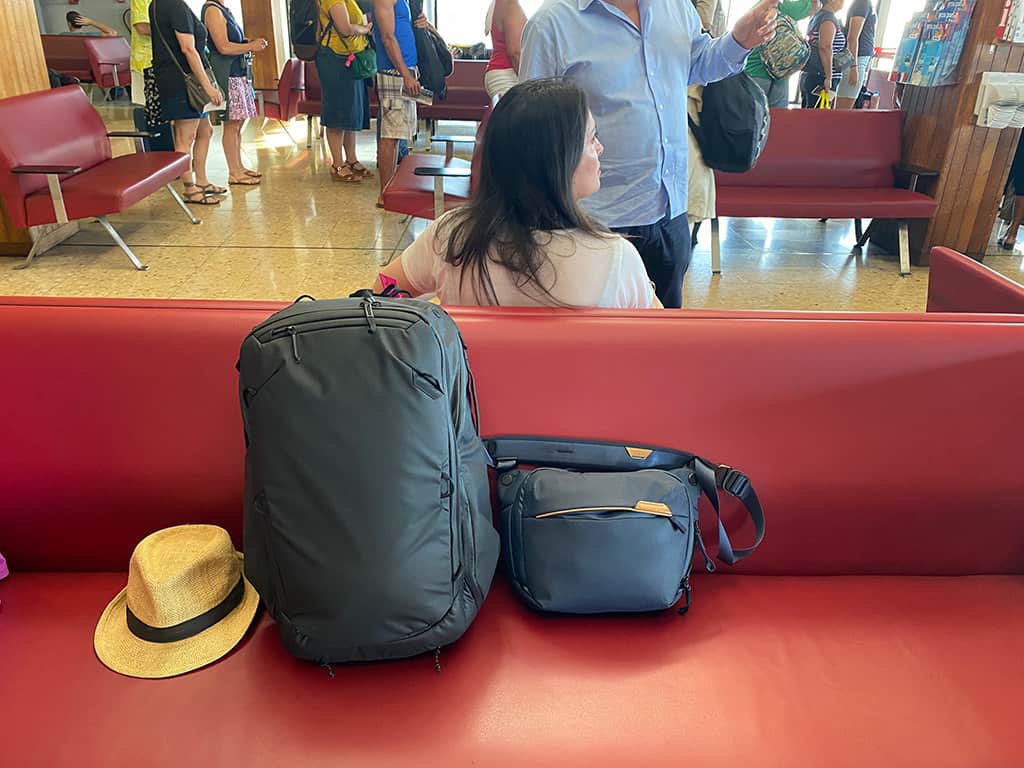
Whether you’re heading away for a weekend city break, a two-week European adventure, or even a month-long trip overseas, learning how to pack a carry-on properly can completely change the way you travel.
No more waiting at baggage claim. No more worrying about lost luggage. No more dragging oversized suitcases up flights of stairs, across cobblestone streets, or onto crowded trains. The secret isn’t packing less; it is packing smarter.
After years of travelling through destinations as varied as Japan, Greece, Southeast Asia, Africa, and Canada, we’ve learned that most travelers don’t actually need half the things they bring. With the right carry-on bag, a few smart packing techniques, and lightweight travel gear that earns its place in your luggage, it’s entirely possible to travel comfortably with far less than you think.
In this guide, we’ll walk you through exactly how to pack like a pro, from choosing the best carry-on luggage and organizing your clothes efficiently, to the travel essentials we never leave home without. Whether you’re a first-time carry-on traveler or looking to refine your packing strategy, these tips will help you maximize space, stay organized, and travel lighter on your next adventure.
What You’ll Get Out Of This Article
Whether you’re packing for a weekend getaway or a two-week adventure abroad, this guide will help you travel lighter without leaving the essentials behind. Inside, you’ll discover:
- How to fit everything you need into a single carry-on bag
- The packing techniques that maximise every inch of luggage space
- The lightweight travel essentials we never leave home without
- Common packing mistakes that waste space and add unnecessary weight
- Our favourite carry-on bags, packing cubes, and travel gear worth investing in
- Practical tips to save money on baggage fees and breeze through the airport
By the end of this guide, you’ll be able to pack smarter, travel more comfortably, and enjoy the freedom that comes with carrying everything you need in one well-packed bag.
Why Travel With Carry-On Luggage Only?

For a lot of travelers, checking a suitcase feels like the default option. After all, how could everything you need possibly fit into a single carry-on bag?
The truth is that travelling with carry-on luggage only is often easier, cheaper, and far more convenient than hauling around a large, checked suitcase. Once you’ve experienced stepping off a plane and heading straight to your destination while everyone else waits at baggage claim, it’s surprisingly difficult to go back.
While carry-on travel isn’t the right choice for every trip, it can make a huge difference whether you’re planning a weekend getaway, a multi-city European itinerary, or even a longer adventure abroad.
- Save Money On Airline Fees
- Many airlines now charge extra for checked luggage, particularly on short-haul and budget flights – Even more so if you are travelling across Europe. Those fees can quickly add up, especially if you’re travelling as a family or taking multiple flights during a trip.
- Packing everything into a carry-on helps avoid those costs and leaves more room in your budget for experiences, accommodation, and great meals along the way.
- Spend Less Time In Airports
- One of the biggest advantages of travelling with carry-on luggage is how much time it saves.
- There’s no need to arrive early to check bags, wait at baggage claim after landing, or deal with luggage transfer issues during connections. You simply walk off the plane, bag in hand and continue your journey.
- Reduce The Risk Of Lost Luggage
- Lost, delayed, and misdirected luggage is rare, but it still happens – and when it does it leaves a sour start to your trip, potentially derailing your initial plans.
- When everything you need is travelling with you in the cabin, there’s no stress about whether your suitcase made the connection or when it will finally arrive.
- Move Around More Easily
- Anyone who has dragged a heavy suitcase through a historic European city knows the struggle.
- Carry-on luggage is easier to lift, easier to maneuver, and far less frustrating when you’re navigating train stations, ferries, public transport, uneven streets, or accommodation without elevators.
- Pack More Intentionally
- Perhaps the biggest benefit of carry-on travel is that it encourages you to focus on what you’ll actually use.
- Instead of filling a large suitcase with ‘just in case’ items, you’ll naturally build a more practical packing list made up of versatile clothing, lightweight travel gear, and essentials that genuinely earn their space.
- The result is often a lighter bag, less clutter, and a more enjoyable travel experience overall.
How To Keep Packing Within Budget Airline Restrictions

Not all airline baggage allowances are made equal and that has never been truer than if you are using European budget airlines. Dimensions are confusingly almost always different, with Ryanair generally being the default smallest carry-on allowance.
If you are flying in and out with a US or Canadian airline and not taking any intercontinental short flights, then you’ll be fine. But if you are packing for a Eurotrip and country hopping you’re going to need to pack smart.
Don’t worry, we’ve got you covered! With these handy tips you can pack light and pack smart, even if you only take carry on bags!
- Carefully check baggage sizes – Don’t assume your bag sizes are the same for every airline, check ahead with each airline you are flying with and keep your bag within the smallest limit. Most of the time airlines will ask you to check your bag size at the gate and if it doesn’t fit you’ll be charged a hefty fee.
- Know the difference between personal item and carry-on bag – A lot of budget airlines allow a personal item and a carry-on bag, or you opt for the personal item plus a check in bag. A personal item is usually the size of a small backpack and NOT a wheeled suitcase. That is generally counted as a carry-on bag with a 10kg weight limit.
- Get smart with compression packing cubes – It is impressive what you can fit into a personal item size bag if you use compression cubes. We’ve packed an entire week of clothes plus basic tech items into one of those bags with some serious cramming.
- Remember the liquids limit – Some airports are now phasing out the 100ml liquids limit but majority still restrict your liquids. The general rule is anything that can melt, so that includes hair gels, lip balms, and any non powder make ups. These all need to be in under 100ml containers that then fit within a 1 liter bag. Just to make it extra tricky!
Packing For A Quick Getaway?
Not every trip calls for the same packing strategy. Our Ultimate Weekend Packing List & How To Guide shows you exactly what to bring for a stress-free weekend, whether you’re heading to the city, the mountains, or the beach.
Start With The Right Carry-On Bag

Once you’ve figured out what limits you have to work with then you can prepare the bags you are packing with. If you aren’t checking in a bag then go for the option that allows a carry-on bag PLUS a personal item, then make sure you pack smart!
Here it can be personal preference to a certain extent, if you don’t want to carry a few heavy bags then opt for a small, wheeled suitcase and a small backpack for your personal item. The backpack can then double as your day pack when you’re out roaming each day.
The ‘Personal’ Bag

Think of this as the handbag of your cabin baggage; compact, functional, not meant to hold a lot. But if you pack well this can be a really handy way to grab extra packing space.
The New Outlander is a great multifunction bag to use as your personal item. It is packable and very lightweight but still holds a decent amount of gear. The tricky part is if you’re taking a lot of gear (camera, video, and laptop) you’re going to need padded compartments, and they can get bulky. In this instance work out what you can balance between the carry-on and the personal item.
We also always bring the Victorinox Travel Organizer which is great to keep cards, travel documents, passports, money, and pens all in one spot. So when you’re at the airport, just pull out this organizer and you’re good to check-in, go through customs, and get through the gate.
Best Carry-On Suitcases

To balance the load, a wheeled suitcase is a good option, just be aware that if you are going through old towns or island hopping, you are likely to encounter uneven ground, and a lot of cute old apartment buildings don’t have elevators.
- Hard-shell carry-on suitcase
- Go for a modern carry-on rather than a basic old-style one. The newer styles have nifty quick-access front compartments, power bank integration, cup-holder, and built-in TSA locks.
- Duffle bag options
- Modern duffels built for travel are a great option as well, especially if you prefer a bag that you can quickly sling onto your shoulder or back. Travel duffels have the distinct advantage of being able to store a lot more and also have a much wider opening than your standard top-loaded backpack.
- The best one on the market is the Peak Design Travel Duffel which comes in four sizes – 35L, 50L, 65L, and 80L. The beauty of this bag is that you can hand hold it, sling it around your shoulder, or convert the straps to work as a backpack.
- Bags for camera gear
- If you’re carrying a lot of camera gear, you should definitely take a look at Shimoda and their line of photography and adventure-driven backpacks. Currently, we’re using the Shimoda Action X V2 with a Large Mirrorless Core. For more urban pursuits, the Urban Explore is excellent. Just be careful with weight limits especially if you’re flying a low-cost carrier such as Ryanair.
- As an alternative, we’re also big fans of the Peak Design 30L Travel Backpack which is packed with features for camera gear. You’ll also need to pair this with a camera cube. For more space, consider the 45L variant.
How To Pack More Into A Carry-On

Packing light isn’t about squeezing as much as possible into your bag—it’s about making the most of the space you have. A few simple packing techniques can dramatically increase how much fits in your carry-on while keeping everything organized and easy to access.
These are the methods we use on almost every trip.
- Roll Most Clothes
- For soft items like t-shirts, workout clothes, dresses, leggings, and casual trousers, rolling instead of folding is often the best option. Rolled clothing fits neatly into packing cubes, takes up less room, and makes it much easier to see everything at a glance instead of digging through messy stacks.
- If you use packing cubes, rolling your clothes before placing them inside also helps the cubes keep their shape and maximise the available space.
- Fold Structured Items
- Not everything should be rolled.
- Items such as button-up shirts, blazers, linen pieces, or anything prone to creasing usually travel better when folded carefully. Placing these flatter items on top of your rolled clothing can also help reduce wrinkles during transit.
- Wear Bulky Items On Travel Days
- One of the easiest ways to create extra room in your carry-on is simply to wear your largest items instead of packing them.
- Bulky trainers, hiking boots, jackets, hoodies, and heavier knitwear can take up a surprising amount of space. Wearing them on the plane frees up valuable room in your luggage while also helping you prepare for cooler cabin temperatures.
- Stuff Your Shoes
- Shoes shouldn’t be empty space.
- Fill them with socks, underwear, charging cables, sunglasses, belts, or other small accessories to make use of every available inch. Packing shoes in individual shoe bags also helps keep the rest of your clothing clean.
- Use Every Empty Space
- Think beyond the main compartment of your bag. Small gaps around packing cubes are perfect for chargers, reusable shopping bags, or travel-sized toiletries. Jacket pockets can hold travel documents or snacks while you’re in transit, and your personal item can carry electronics, entertainment, and anything you’ll want easy access to during the flight.
- Making use of these often-overlooked spaces can add surprising capacity without making your luggage feel overstuffed.
The Carry-On Packing Formula We Use

This is a general idea of how much you need to pack and what our go-to items tend to be. You don’t need to go wild with loads of options, just stick to a theme, and then it’s easier to mix and match your outfit.
Clothing

- Shirts and/or T-shirts: Pack a couple of good button down shirts, linen and cotton is better for heat and humidity in the summer. Then 2 or 3 t-shirts, you don’t really need many more if you utilize hand washing as you go. Wash a few a night and you’ll never run out of clean clothes. We recommend a nice mix of dry-fit shirts like the Arc’teryx Cormac and Unbound Merino t-shirts that can be dressed up or down.
- Underwear: Similar idea, budget in 7 sets of socks/underwear for 14 days. If you plan to be in flip flops or sandals more often just pack a couple pairs of socks for whenever you wear sneakers. Our go-to underwear is the ExOfficio Give-N-Go, the best travel boxers hands-down.
- Pants: Jeans are a no-no; they are heavy and hard to pack when short on space. Pack a couple pairs of shorts, cargo pants also work well especially if they are those you can zip the pant legs off to turn into shorts. Then have one or two pairs of good Unbound Merino travel pants that you can wear to nicer places.
- Swim gear: Versatility is key. We love Billabong hybrid shorts because they’re perfect for the water, but they also look fantastic on land. Also pack in a quick dry towel, don’t make the mistake of buying a small one. It’s just not worth it to annoyingly dry yourself with something the size of a hand towel. This one is great because it’s large (XL in fact), packs into a small form factor, and dries quickly. While mostly used in hostels, this is the kind of thing that’s always nice to have with you because you never know.
- Warm layer: Depending on where you are travelling to you might need an extra layer. Pack a lightweight sweater to throw on or use your waterproof light jacket as your outerwear layer. This is also something you can travel in, useful if the plane aircon is high, or to be rolled up and used as a pillow for a plane nap.
- Headgear: The Outdoor Research Radar Pocket Cap is a great travel hat because you can fold the brim and put it in your pocket when you aren’t using it. Another great addition is Buff Headwear; you can wear on your wrist to wipe sweat away or around your neck if it’s cold or even on your head if looking for more protection from the sun. It’s a pretty sweet piece of travel gear that everyone should own. Read our full review of the Buff.
- Sunglasses: If you are going somewhere sunny, sunglasses are an essential part of your packing list! We are big fans of Maui Jim so always pack a pair in addition to Croakies to keep them around our neck.
Shoes

With a couple of solid basics you can cover most options, hiking along cliffside paths, exploring cities, or hitting the beach. Pack smart and you are prepared for anything! Just make sure you travel in the bulkiest shoe to save room in your bag.
The obvious rule also goes that it is a terrible idea to pack shoes you’ve not worn in. The last thing you want is to spend the first day in your new shoes to find they have caused terrible blisters! You’ll spend the rest of your trip uncomfortable. So get those shoes good and worn in before putting them in your packing!
- All-purpose comfortable walking shoes: The comfiest shoes we’ve found for extended walking is the Altra Lone Peak 8. These are game-changing zero-drop trail running shoes. For a proper hiker, the Merrell Moab Ventilators Hiking Shoe are one of the best in the market.
- Sandals: We’ve reviewed Rainbow Sandals extensively before, but we can’t go on a summer trip without Keen’s Newport H2’s (read our review). They’re extremely comfortable and can handle being in the water, and perfect for the beach.
- Smart shoe: For the ultimate shoe that can be dressed up, casual, and also waterproof at the same time, the Vessi Everyday Classic might be able to replace all of the above shoes.
Travel Toiletries That Won’t Take Over Your Bag

If there is anything specific you need, here is where you allow them to take up space but get those travel sized bottles ready for your essentials. It is surprising how much you can fit in if you use tiny travel bottles, of course if you are going for a longer trip then you’ll need to buy whatever extras you need when you arrive.
Our essentials are usually:
- Hair stuff: Gel, hairspray, putty – whatever is your go-to.
- Face cleanser: We love the Cetaphil Face Cleanser, but pack whatever works for you.
- Body wash, shampoo and conditioner: Unless you have super sensitive skin or unruly hair an all-in-one works pretty well. Solid bars are also a great alternative and surprisingly effective. This is a great eco-friendly shampoo and conditioner set, and this is a great body wash.
- Sunscreen: If you have sensitive skin remember one for your face and another for your body. Our current favorite is the La Roche-Posay for face and reef-friendly Sun Bum 50 SPF for everywhere else.
- Chapstick: One with sun protection is a great idea.
- Toothpaste and toothbrush: Those toothpaste tabs can also work well if you are short on liquid space. It can be a bit overkill, but a portable Sonicare toothbrush is great, just charge to full before you leave.
- Off Mosquito Repellent: Depending on the time of year and where you are, mosquitoes can be a problem. It’s always good to have one with you in case.
- Nail Clippers: We don’t know about you, but hangnails are the worst. Don’t forget to pack your favorite nail clippers. These are allowed on carry-ons according to the TSA.
- Emergency medication: Have a supply of meds like bandaids, Reactine and Immodium. Better to be prepared than caught short and scrambling around looking for a pharmacy.
- Hanging Toiletry Bag: Once you’ve got your liquids through security you can transfer it to a more user-friendly bag. The Peak Design Small Wash Pouch is our go to. It is simply designed and has a great set up of pockets, zippers and elastic holders. The must-have feature for any toiletry’s organizer is the hook. Hanging your bag is always a better option than letting it sit on the sink especially if you’re using hostel bathrooms.
Electronics

- Waterproof phone case: This soft case is great because it’s extremely easy to roll away and still provides you touch control if you put your phone inside. Only bring this if you think there’s a chance you’ll go out into the water (i.e. kayak or canoe).
- Chargers and Cables: We pretty much throw all the random cables, chargers, and power bank into a Peak Design Tech Pouch and stash away in your day pack or suitcase. The organizer is really helpful to stop cables getting tangled and keep them all in one place.
- Shaver: There’s been a lot of advancements in portable shavers. This palm-sized and USB-chargeable shaver is a great one to have in your packing list.
- Smartphone: You’re probably not going to forget this but make sure you have this loaded up with the apps you need for the trip, offline Google maps saved, and your eSIM such as Airalo set up. We use the Peak Design Everyday Case.
- Headphones: Keep yourself entertained during plane and train rides.
The Best Packing Cubes For Carry-On Travel

Packing cubes are an absolute game changer. Rather than scrambling through your personal items, you can separate out into different bags and easily find what you need.
The stuff sack mesh bags are also critical to any backpacker. Get them set up in different colors and that way you keep your pack organized and don’t have to dig through piles of clothes inside the bag. Need PJ’s or that button up shirt? Just pull out the blue bag. Need underwear or socks? Just pull out the orange bag. It makes life so much easier.
While you can just grab any basic ones some do come with extra features, such as compression abilities. Here are our tried and tested favorites:
- Eagle Creek Pack-It Specter Cube: This packing cube was one of the best discoveries. This helps keep clothes nice and tidy.
- Color Coded Mesh Bags: Any mesh bag will do but make sure they’re color coded; this helps to separate dirty laundry or any extras you might need.
- Compression bags: You can get pretty crafty with these and pack them tight before slipping into your personal item bag. Just still be aware of the weight, smaller doesn’t mean lighter! So, if you put it into your carry-on cabin bag it likely will be weighed and you don’t want to tip over the 10kg limit when you arrive at the gate.
Useful Carry-On Packing Tips
Some airports have plastic bags for you to put your 100ml liquids into but prepare in advance by having one of these ready with all your mini bottles and tubs. Something like this is also useful with the bottles designed to fit snugly within the liquids bag.
Make use of stuff sacks. For t-shirts we love the Eagle Creek organizer that allows you to cram SO MUCH into one nice little neat package. It’s all thanks to the technique of rolling your clothes (see our video). Then simply throw it into the backpack with the handle at the top, all you have to do is pull it out.
Lightweight Travel Essentials Worth Packing
- Portable Power Bank: We have so many power-hogging devices these days so it’s critical you have a quick-charge and small battery power bank that has both USB-C and USB-A outlets.
- Universal Travel Adapters: It is good to have a random assortment of plug adapters to hand, we have plenty we’ve collected over the years. Always do your research beforehand to make sure you have the correct type. Universal adapters are good but the problem is with all the devices you have you’ll need multiple. An individual travel adapter like this are more useful.
- E-Reader: Books are surprisingly heavy. An e-reader tablet gives you access to an entire library while taking up less space than a single paperback. It’s perfect for long flights, lazy beach days, or winding down in your hotel after a day of sightseeing, and the battery will often last for weeks between charges.
- Compression Socks: Compression socks aren’t just for long-haul flights. They help improve circulation, reduce swelling, and keep your legs feeling fresher during long travel days, especially if you’re spending hours sitting on planes, trains, or buses. They’re lightweight, take up almost no room, and can make a noticeable difference on longer journeys.
- Collapsible Water Bottle: A reusable water bottle is an easy way to stay hydrated while travelling, but rigid bottles can take up valuable room once they’re empty. A collapsible bottle folds down when not in use, saving space in your bag while still giving you an easy way to refill after airport security and throughout your trip.
- Travel Laundry Kit: Being able to wash a few essentials while travelling means you can pack fewer clothes without running out of clean outfits. A small laundry kit with travel detergent sheets, a universal sink stopper, and a compact clothesline weighs very little but can be invaluable on longer trips, helping you refresh clothes between destinations and avoid overpacking.
- Packable Daypack: This is where the New Outlander comes into play, if you have opted for this as your personal item bag it can double up as your daily use bag.
- Waterproof layer: In most cases, we prefer having this waterproof jacket versus an umbrella. Shells like this are perfect for traveling because they’re versatile, light, and easily packable. Normally you can get away with throwing this over your luggage and it isn’t counted as part of your allowance, just look like you were wearing it before!
Escaping To The Cottage This Weekend?
From cozy evenings by the fire to days spent on the lake, our Ultimate Cottage Packing List covers everything you’ll need for a relaxing stay without forgetting the essentials.
What Not To Pack In A Carry-On

Packing a carry-on isn’t just about fitting everything inside—it’s also about knowing what to leave behind. Every unnecessary item takes up valuable space and adds extra weight that you’ll have to carry from one destination to the next. Before you zip up your bag, ask yourself one simple question: Will I actually use this?
Here are a few of the most common packing mistakes to avoid.
- Full-size toiletries
- Airlines have strict rules about liquids in carry-on luggage, and full-size bottles usually won’t make it through airport security.
- Instead, decant your favorite products into reusable travel bottles or switch to solid alternatives like shampoo bars, conditioner bars, and soap, which save space and aren’t subject to liquid restrictions.
- Too many shoes
- Shoes are one of the biggest space-hogs in any suitcase.
- For most trips, two or three pairs are plenty: something comfortable for walking, a smarter option if needed, and perhaps sandals or hiking shoes depending on your destination. Wear your bulkiest pair while travelling to free up even more space.
- Heavy books
- There’s nothing wrong with travelling with a good book, but several paperbacks can quickly become one of the heaviest items in your bag.
- An e-reader weighs less than a single novel and lets you carry hundreds of books wherever you go, making it a worthwhile investment for frequent travelers.
- Multiple chargers
- It’s easy to throw every charging cable into your bag “just in case,” but most travelers don’t need three different wall plugs and a tangle of spare cables.
- A compact multi-port USB charger, a universal adapter where appropriate, and a couple of charging cables are usually enough to keep all your devices powered while taking up far less room.
- “Just in case” clothing
- This is probably the biggest reason people overpack.
- That extra jumper, fourth pair of trousers, or dress you might wear often stays folded in your suitcase for the entire trip. Focus on versatile clothing that can be mixed and matched into multiple outfits rather than packing for every possible scenario.
Remember, if you genuinely need something you forgot, you can usually buy it at your destination. Packing lighter almost always makes for a more enjoyable trip than carrying around items you never end up using.
Heading To Europe This Summer?
Packing for Europe is a little different than packing for other destinations. Our Ultimate Summer In Europe Packing Guide breaks down exactly what to bring for warm-weather adventures, city sightseeing, and everything in between.
Travel Smarter, Not Heavier
Packing everything into a carry-on might seem impossible at first, but with the right approach, it quickly becomes second nature. By choosing versatile clothing, investing in a few lightweight travel essentials, and using smart packing techniques, you’ll spend less time worrying about your luggage and more time enjoying your trip.
Travelling with only a carry-on means skipping baggage claim, avoiding expensive checked bag fees, and moving through airports, train stations, and city streets with far less hassle. It’s a simpler, more flexible way to travel that works just as well for a weekend getaway as it does for a two-week adventure.
The key isn’t taking less; it’s taking the right things. With the carry-on bags, packing cubes, and travel gear we’ve recommended throughout this guide, you’ll be well on your way to packing like a pro and discovering just how freeing travelling light can be.
Traveling Somewhere Cold?
Packing for freezing temperatures doesn’t have to mean overpacking. Our Ultimate Cold Weather Packing List shares the clothing, gear, and layering tips you’ll need to stay warm while keeping your luggage manageable.
Frequently Asked Questions
Yes. With a versatile wardrobe, lightweight travel gear, and smart packing techniques, it’s entirely possible to travel for two weeks using only a carry-on bag.
Most airlines allow carry-on luggage up to around 55 x 40 x 20 cm (22 x 16 x 8 inches), but size restrictions vary. Always check your airline’s baggage policy before you travel.
Yes. Packing cubes keep your luggage organised, make it easier to find items, and help maximise space, especially when travelling with only a carry-on.
Rather than packing one outfit for every day, choose versatile pieces that can be mixed and matched. Most travellers can comfortably pack enough clothing for one to two weeks in a carry-on.
It depends on your trip. A carry-on suitcase is ideal for city breaks and hotels, while a travel backpack is often better for multi-destination trips, uneven streets, and frequent transport changes.
The 3-3-3 packing rule is a minimalist packing method that recommends taking three tops, three bottoms, and three pairs of shoes that can all be mixed and matched to create multiple outfits.
Travel Resources For Your Next Trip
If you’re in the process of planning your trip and putting together your itinerary, these are genuinely the best resources that the Going Awesome Places team stands by 100%.
Credit Cards
Don’t get burned by hidden fees on top of terrible exchange rates. When we travel now, we use the Wise Card. Simply load it with the currency you need before you go (at close to market rates) and use it as a regular VISA or their digital wallet card. Track your spending on the app and top up when you need.
Flights
In our opinion, of all the booking search engines, Skyscanner is the most helpful and easy to use thanks to their Everywhere feature. Kayak is also another that’s we will often check.
Rideshare
You probably already have accounts but if you don’t, for new Lyft users, use code WILLIAM4825 to get 50% off your first 2 rides (max $10 per ride). Offer valid for 14 days after you take your first ride. For new Uber users, use code cbh4j6plxt8p for the same offer except it’s valid for 30 days.
FERRIES
If you’re looking for one place to search for ferry options instead of going to each operator, we recommend FerryHopper as the first place to start.
Wifi Hotspot
We’ve been a huge fan of wifi hotspot devices such as PokeFi (use code GAP24300) because their rates are are hard to beat and it works globally. Solis is another that we recommend. Pros are that you can share the wifi with your whole group but cons are that you have to invest in a device and you have to charge it every night.
Hotels
Our go-to is Booking.com because they have the best inventory of properties including hotels and B&Bs plus they have their Genius tier discounts. Expedia is also worth using especially with their One Key rewards program which is basically like cash. The exception is Asia where Agoda always has the best prices. Always do a quick check on TripAdvisor as well.
Tours and Activities
When planning our trips, we always check both Viator and GetYourGuide to at least see what’s out there in the destination that we’re going to. They often have different offerings and prices so check both.
Travel Insurance
Learn how to buy the best travel insurance for you. This isn’t something you want to travel without.
- HeyMondo – Popular insurance provider for frequent travelers and comes with great coverage and special perks. By booking through our link to get a 5% discount!
- RATESDOTCA – Search engine Canadians looking for the cheapest insurance including multi-trip annual policies.
- SafetyWing – A perfect fit for long-term nomads.
- Medjet – Global air medical transportation.
- InsureMyTrip – Best for seniors, families, and those with pre-existing conditions.
Check Out Our Toolbox
If you need more help planning your trip, make sure to check out our Travel Toolbox where we highlight all of the gear, resources, and tools we use when traveling.
Source link